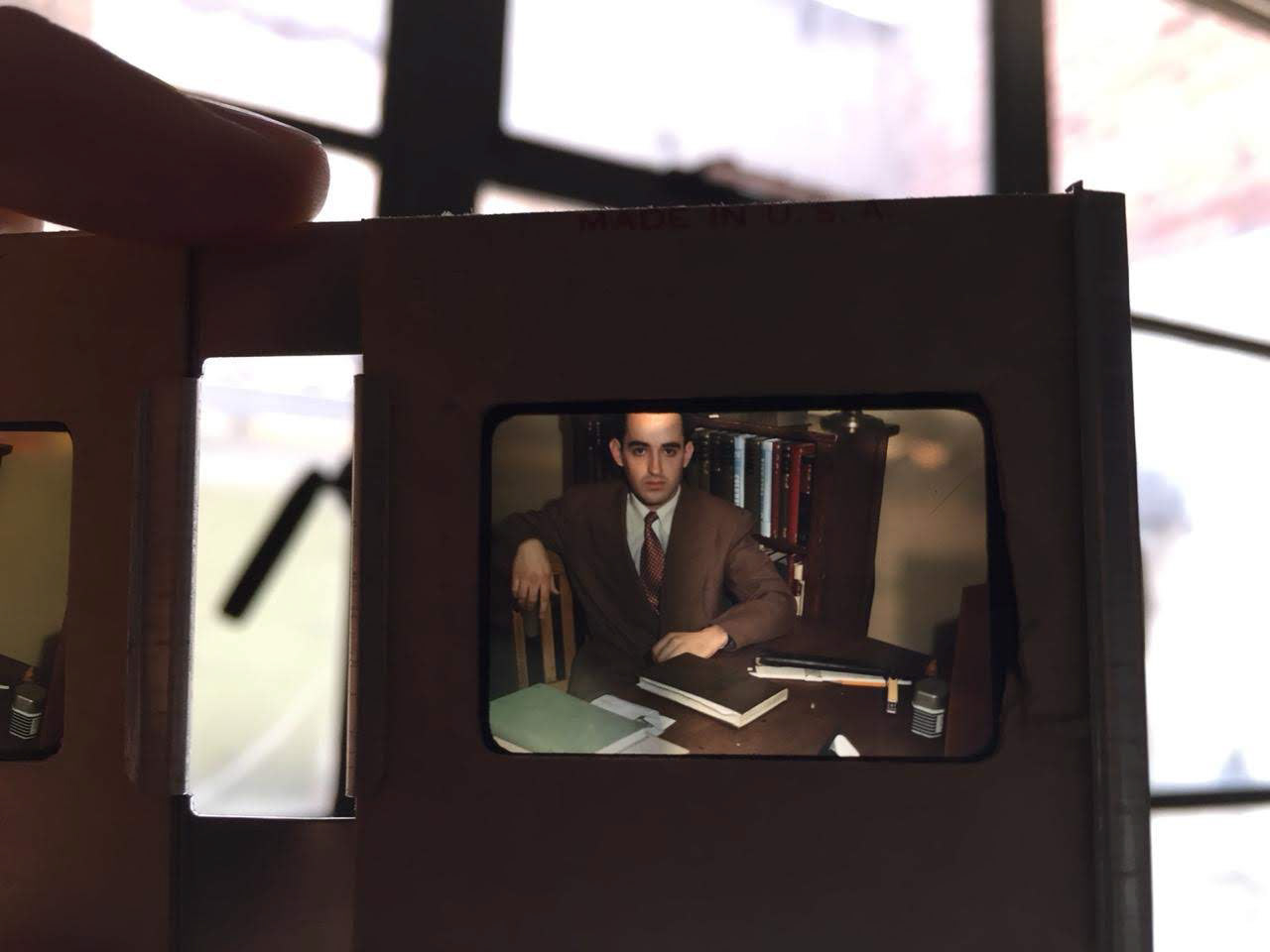
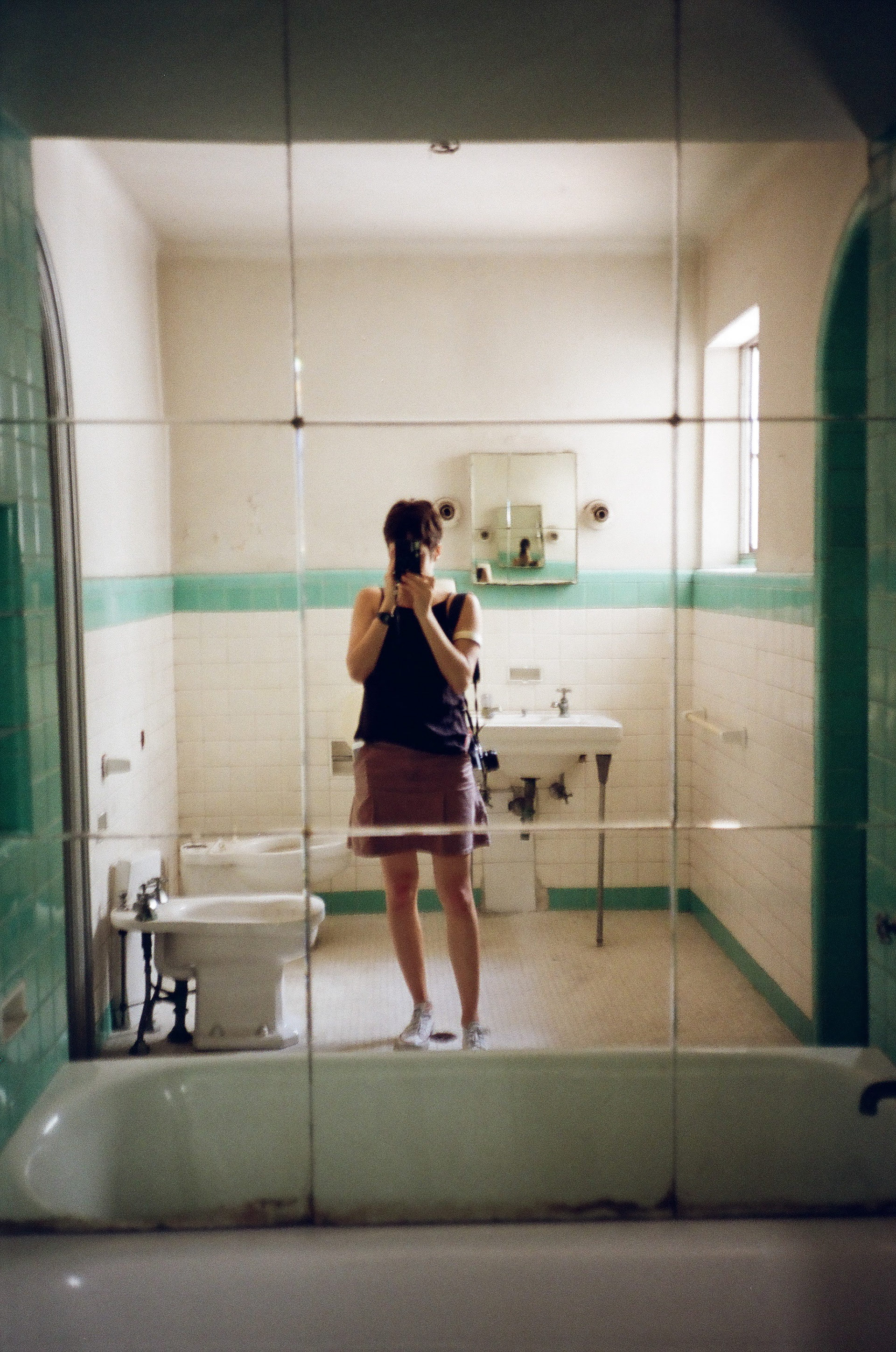
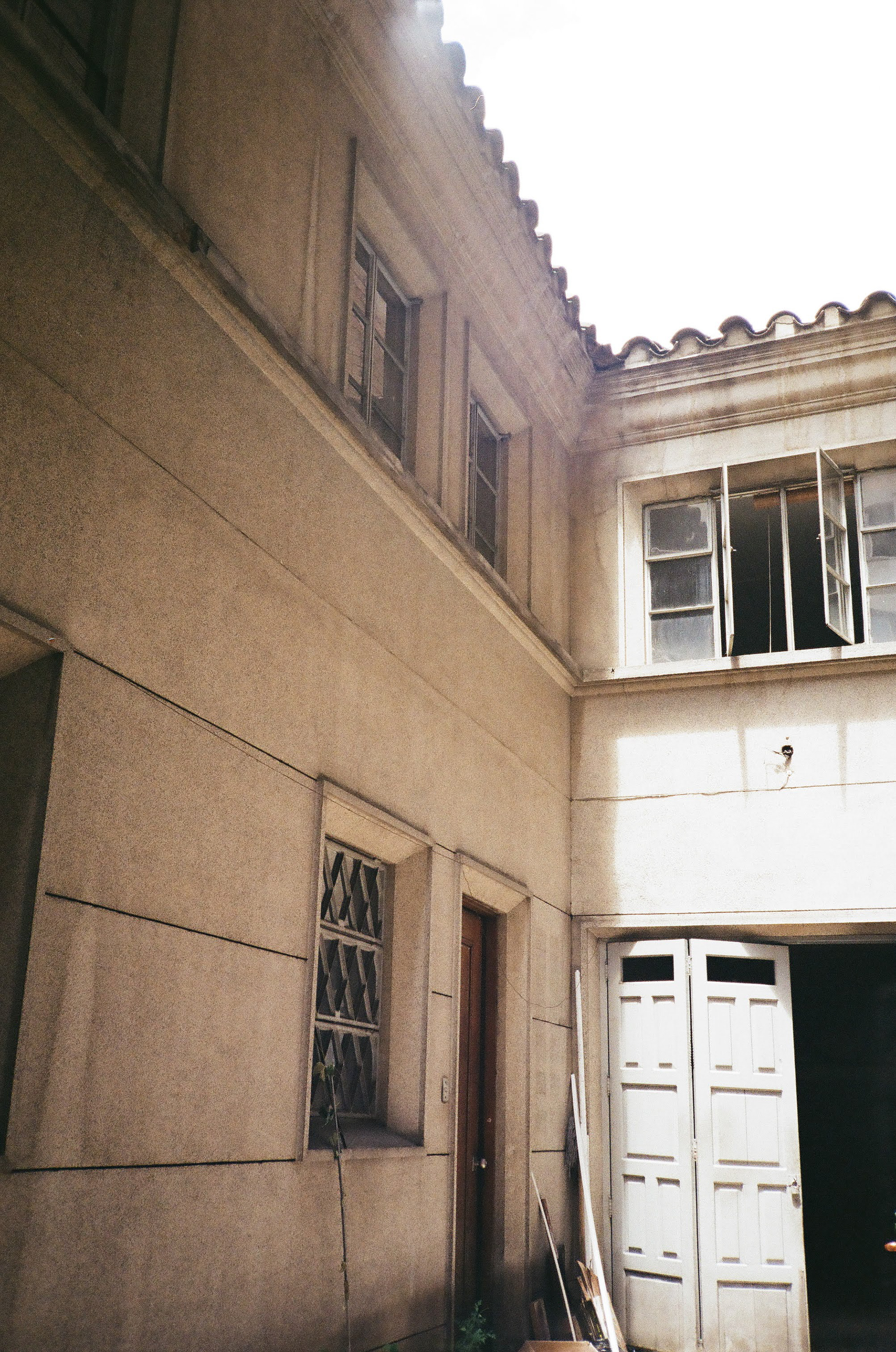
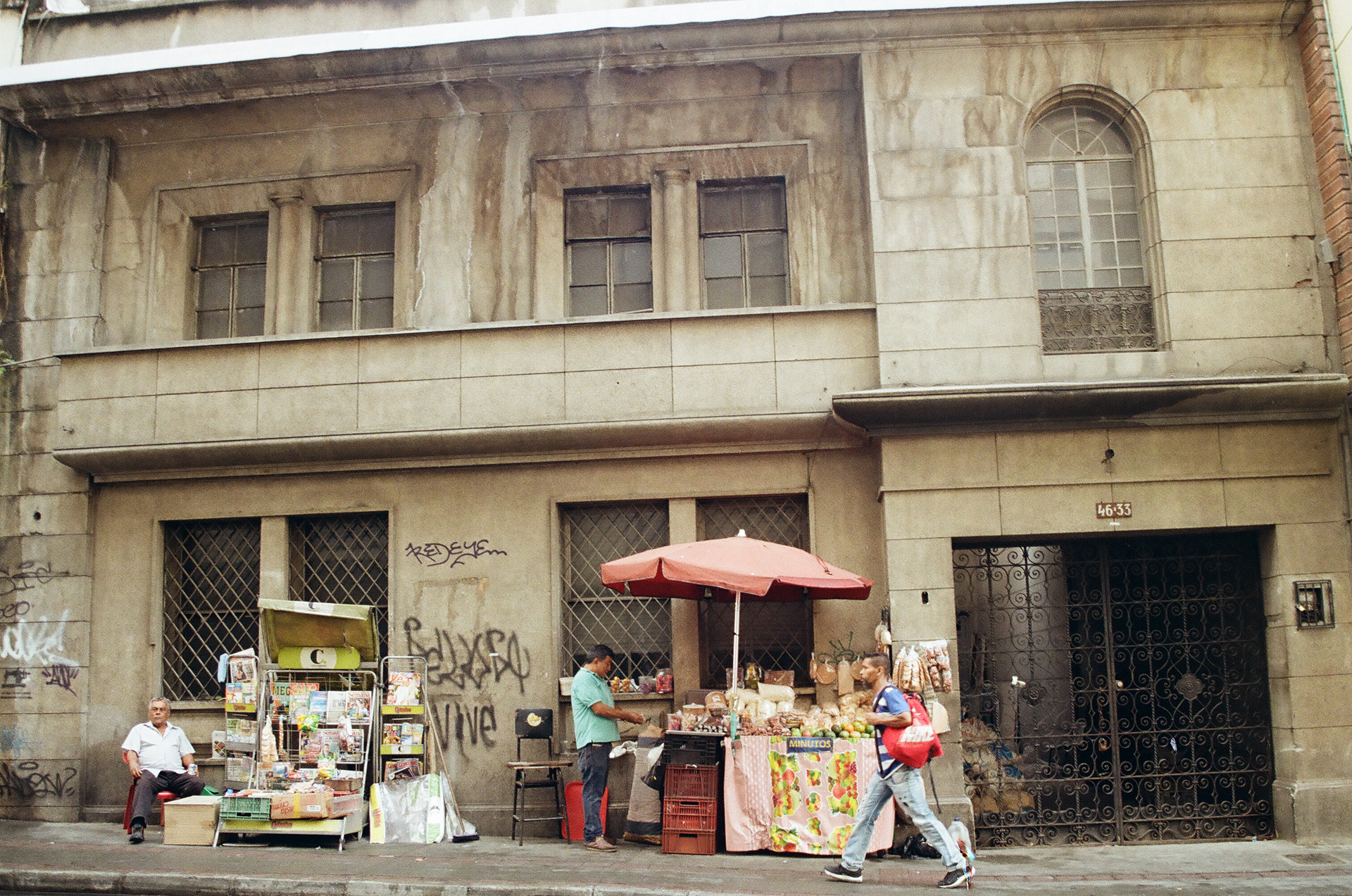
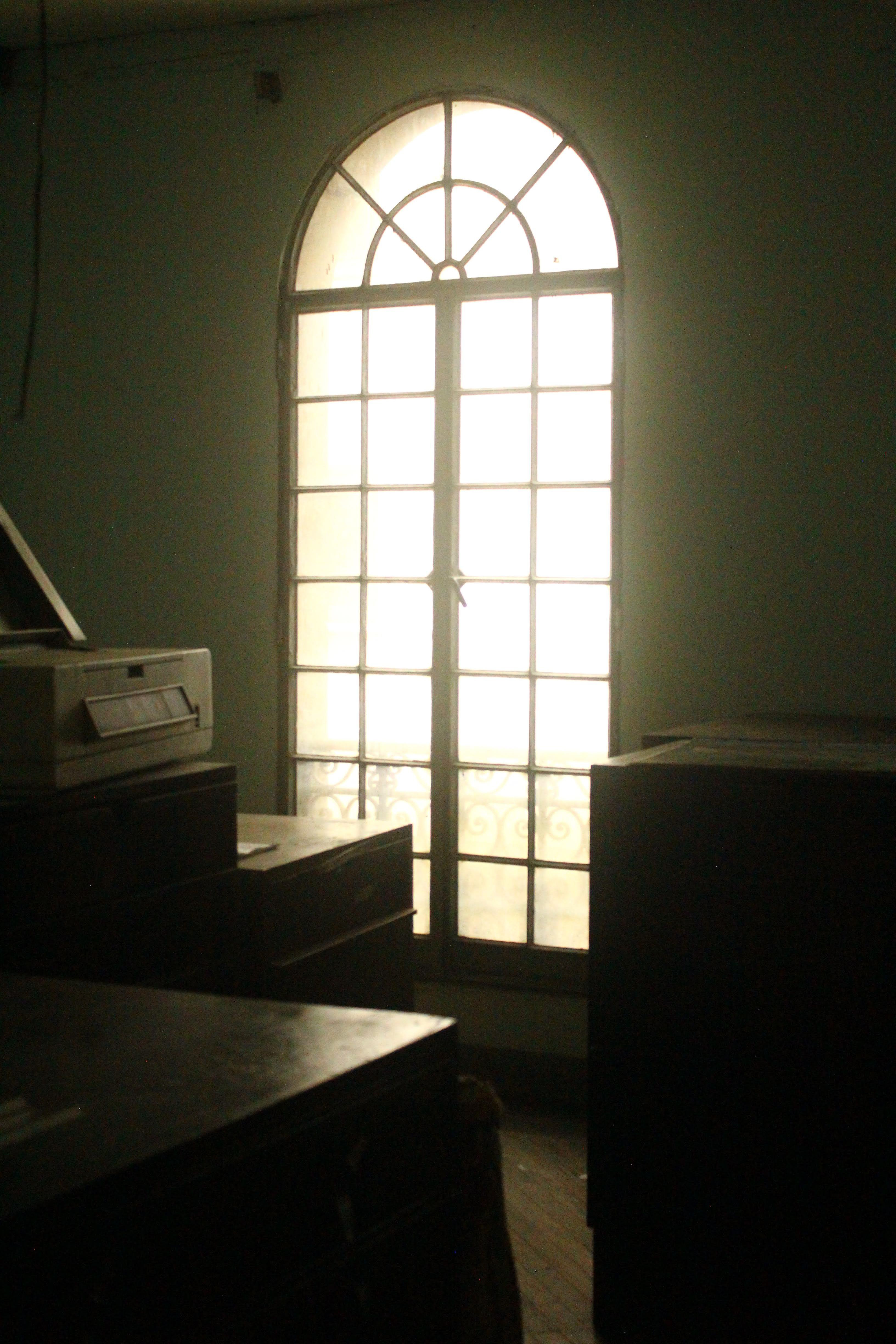
Mi abuelo vivía en una casa grande, gris y verde construida al rededor de 1940 en Medellín, Colombia.
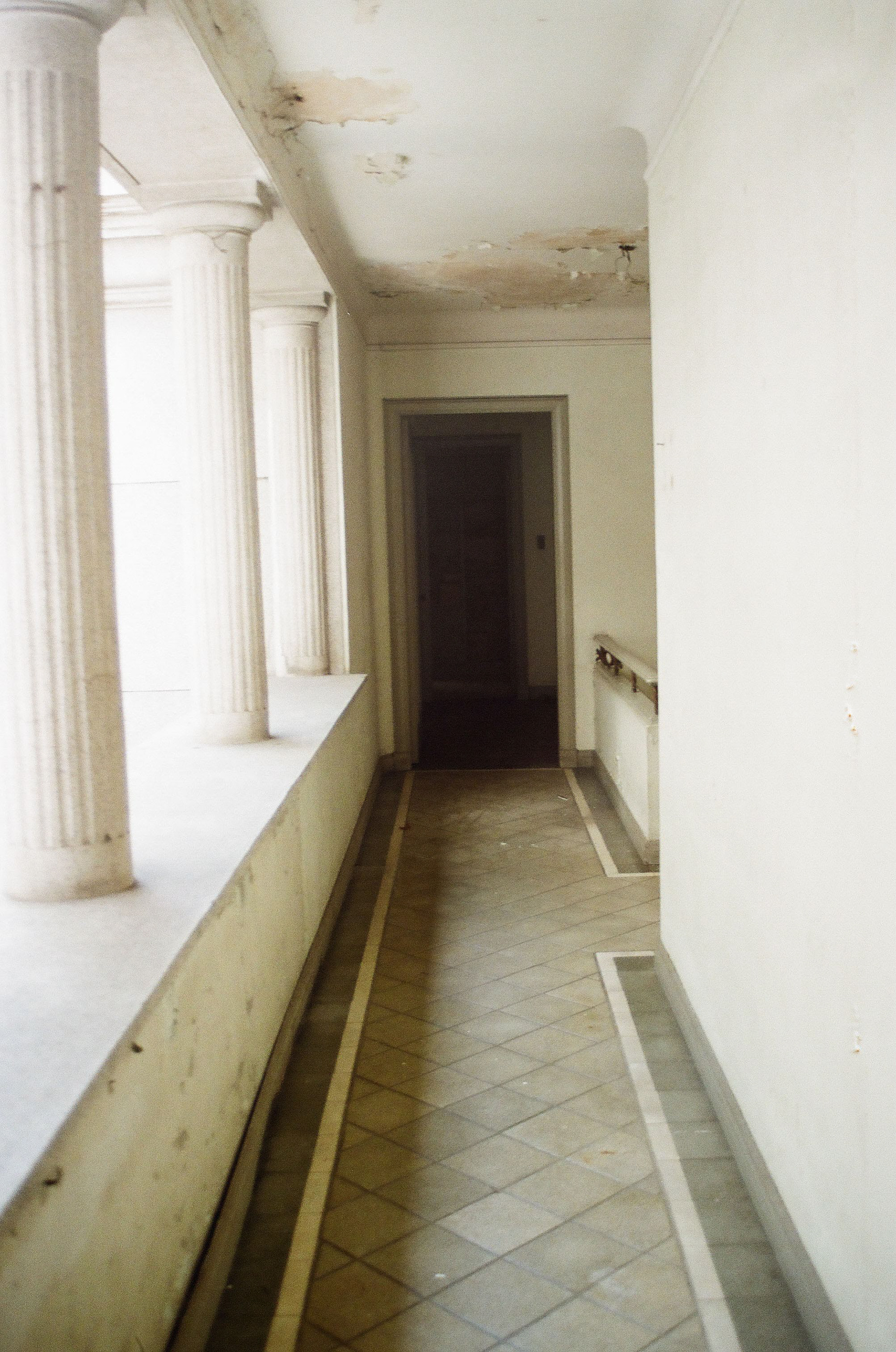
Cuando murió, la casa permaneció llena. Casi sentí que no había muerto y con frecuencia iba allí. Caminaba por sus pasillos largos y a veces gritaba para escuchar mi eco. Cantaba frente a un armario hondo que me devolvía el sonido de mi voz amplificado y me sentía frente a otra Laura, otra familia, otra habitación.
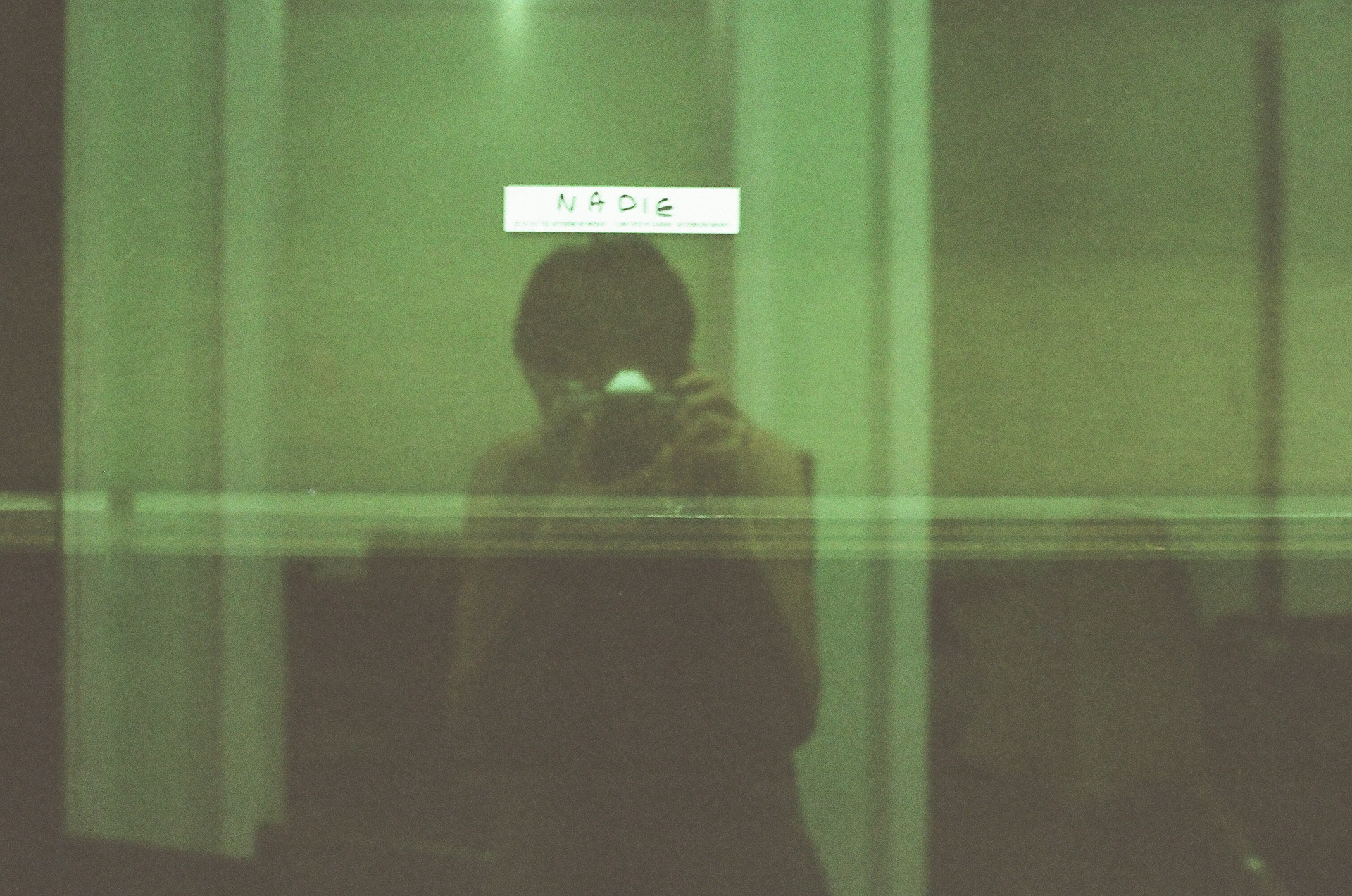
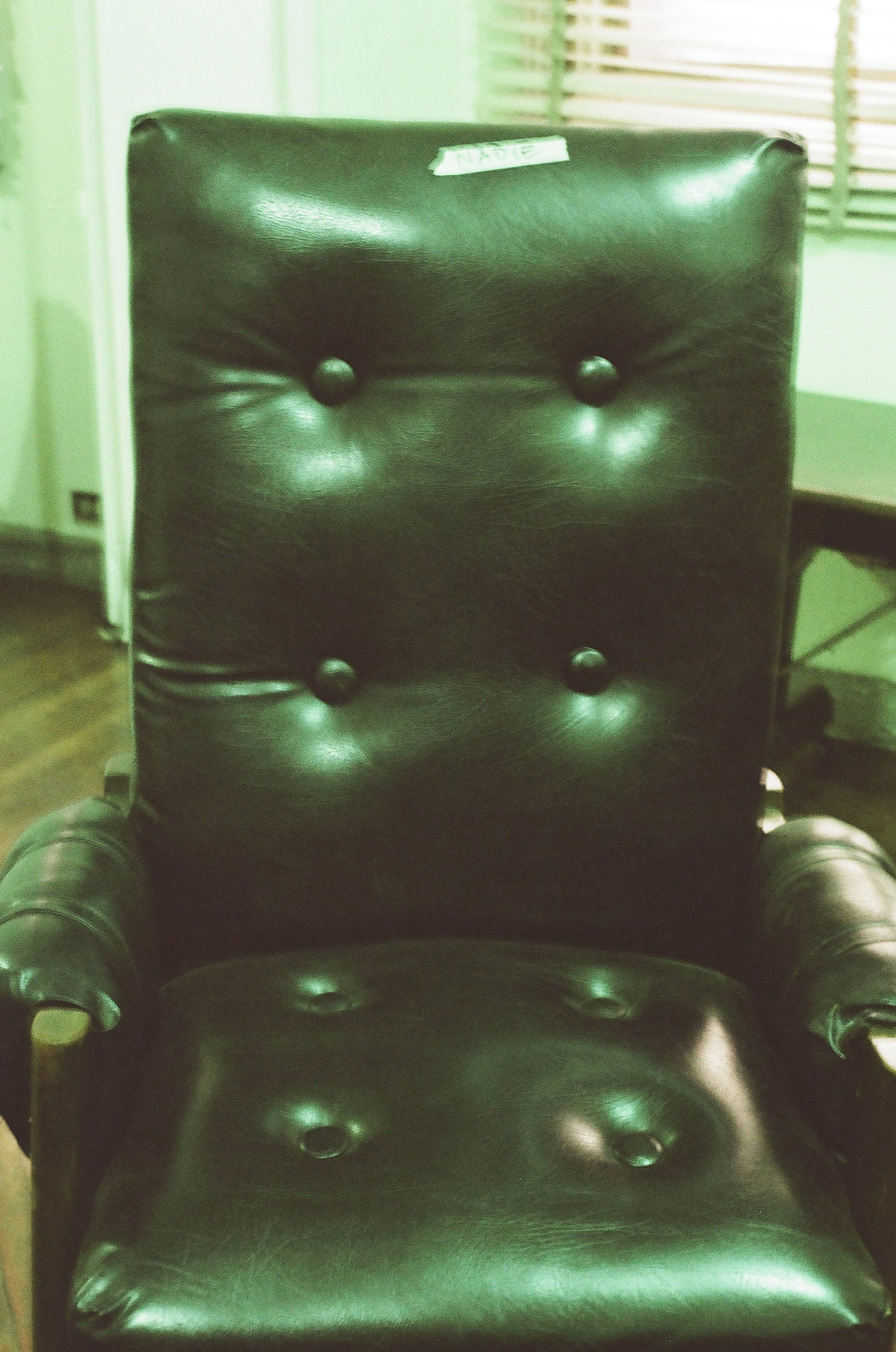
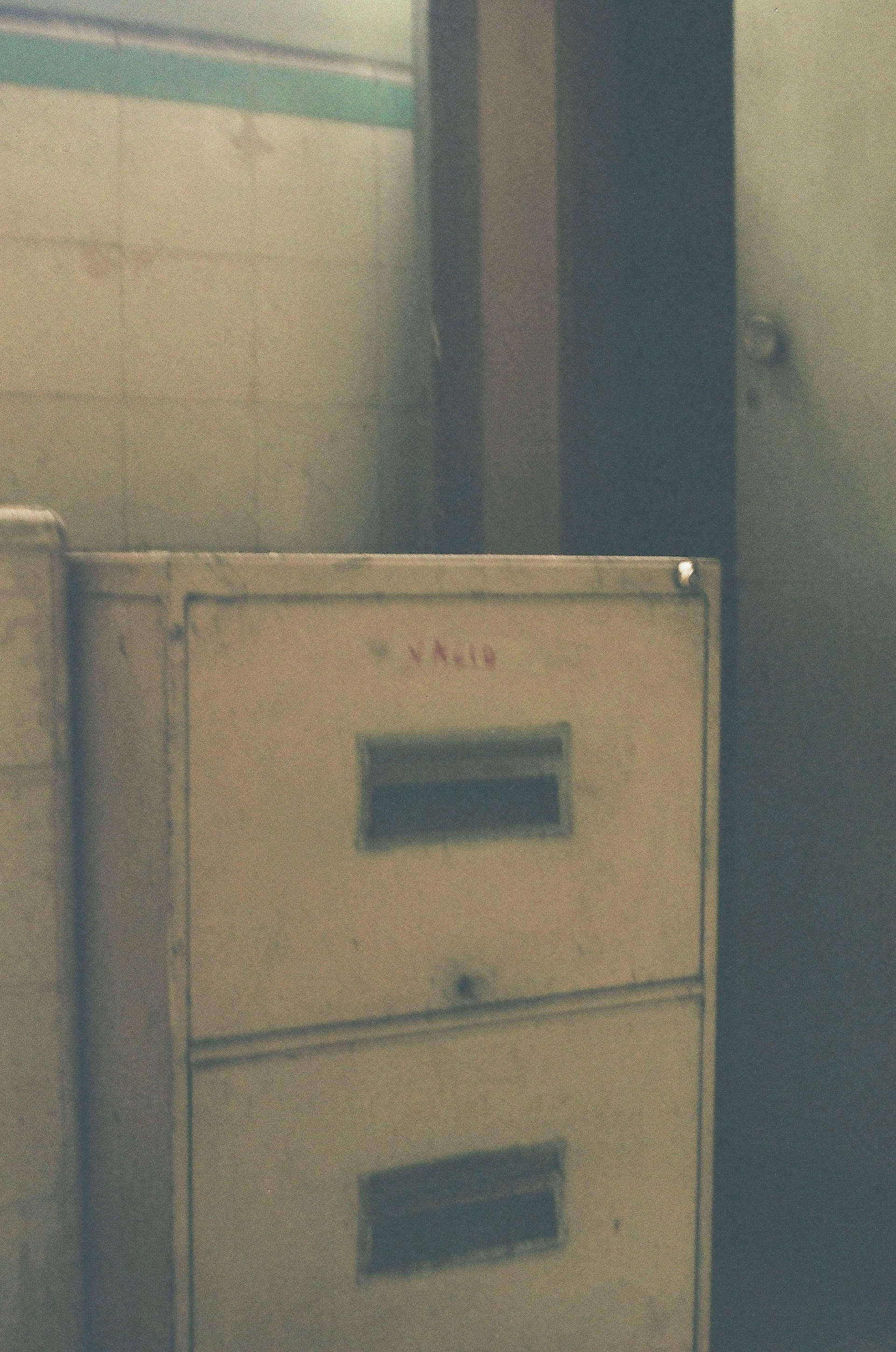
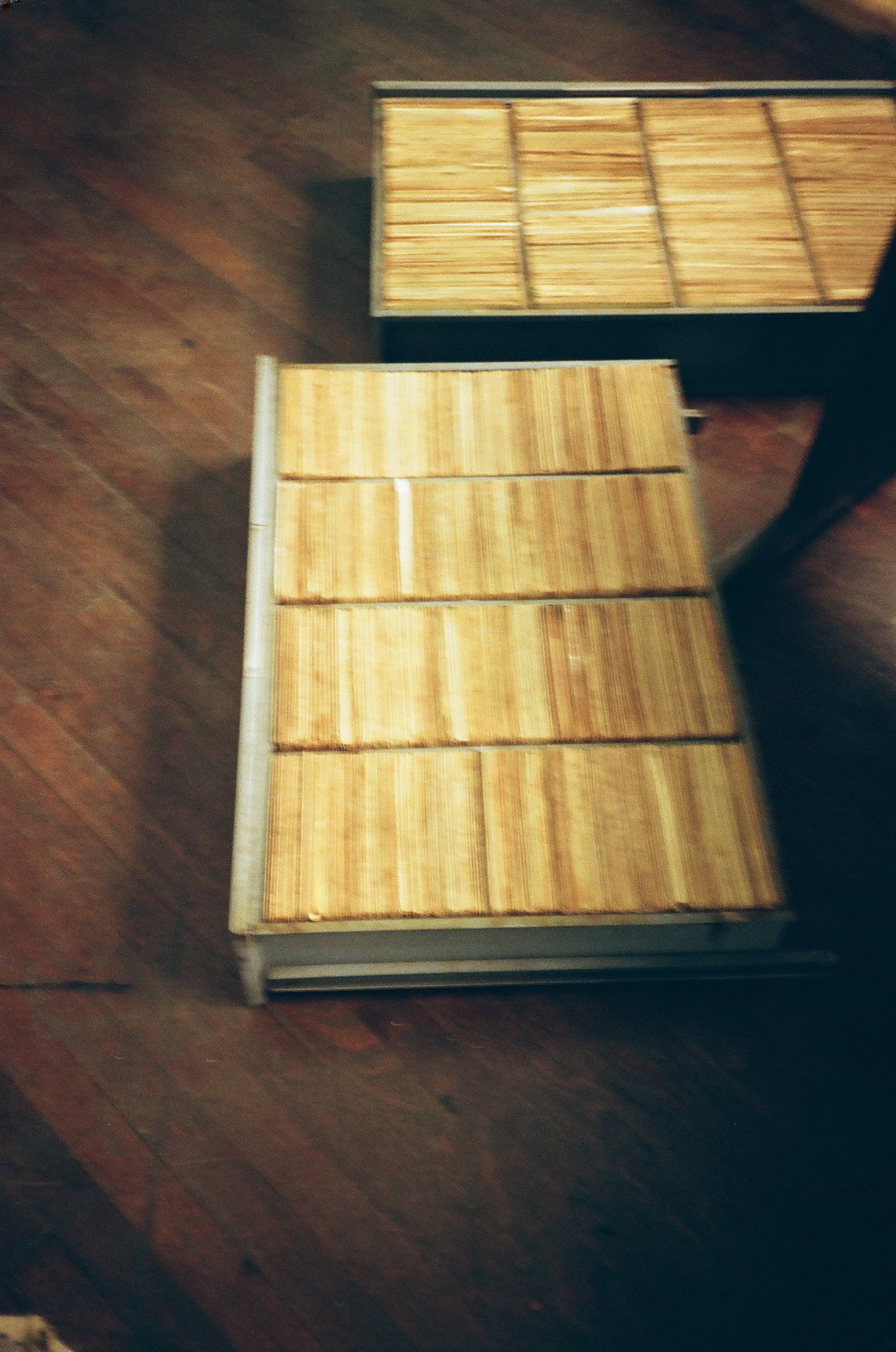
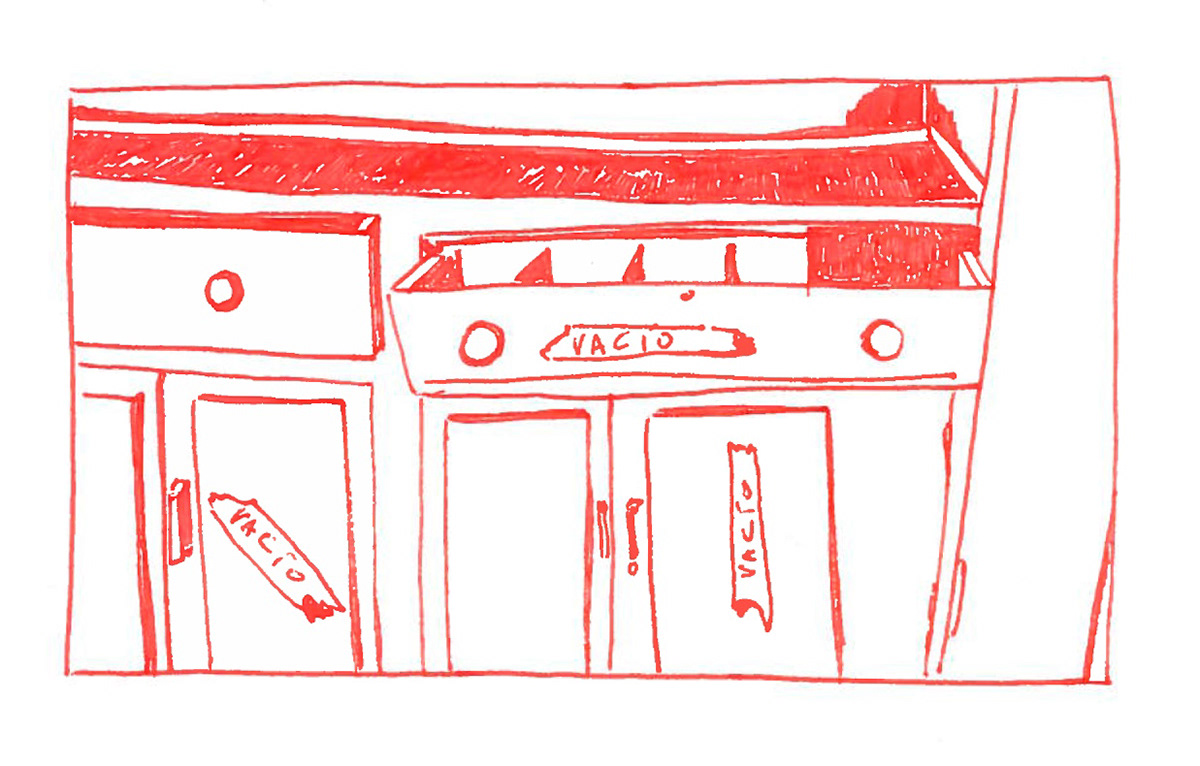
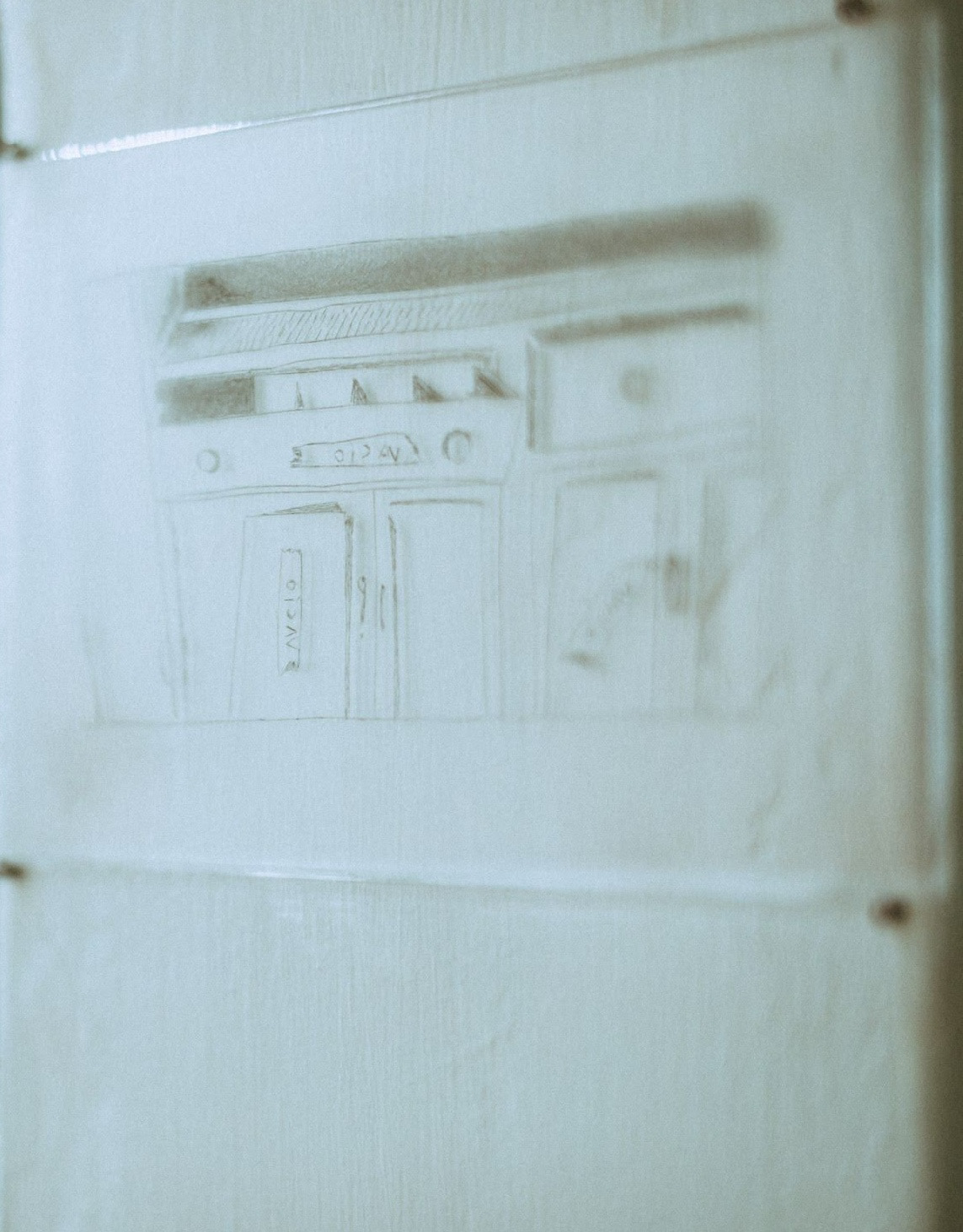
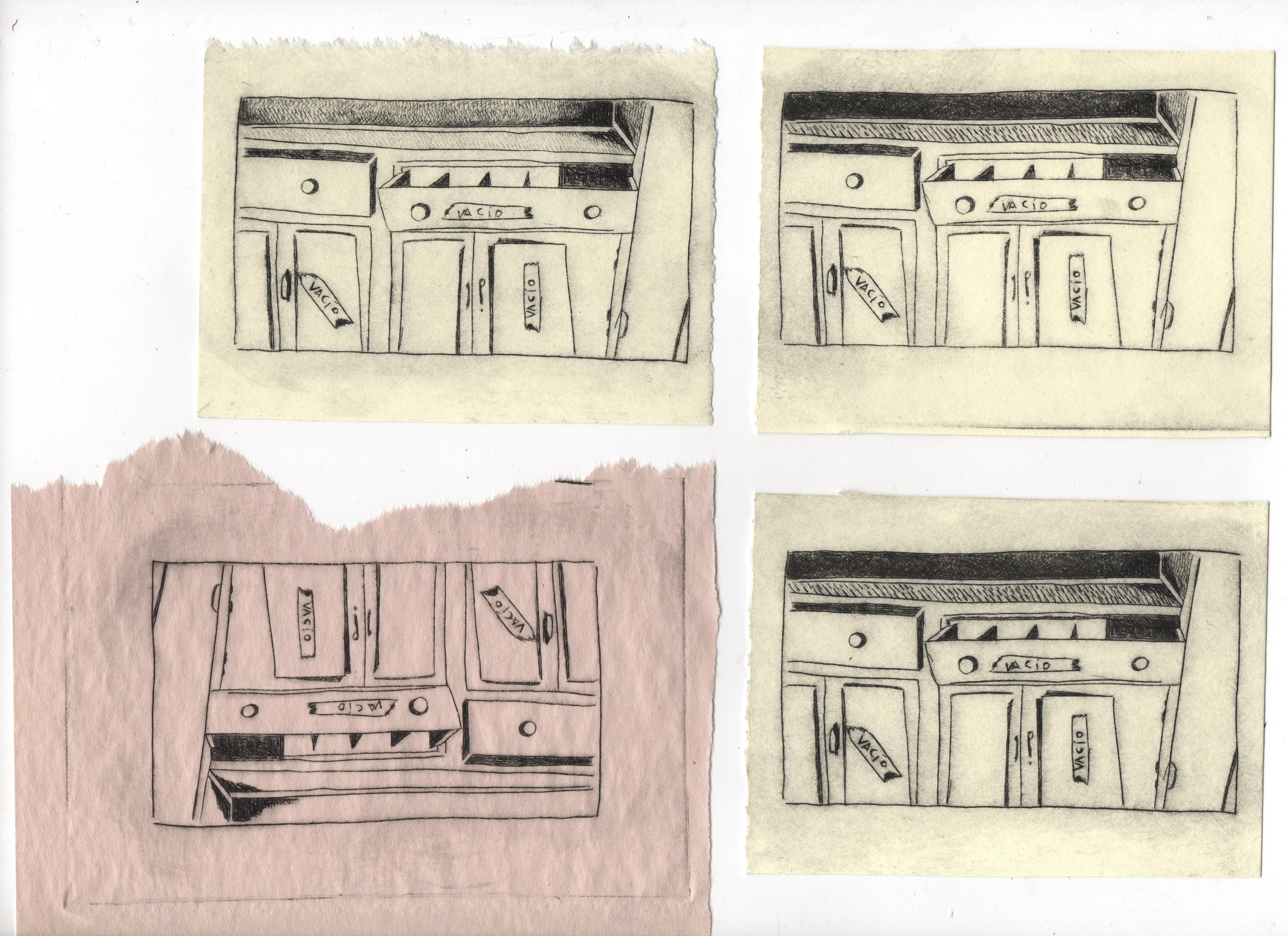
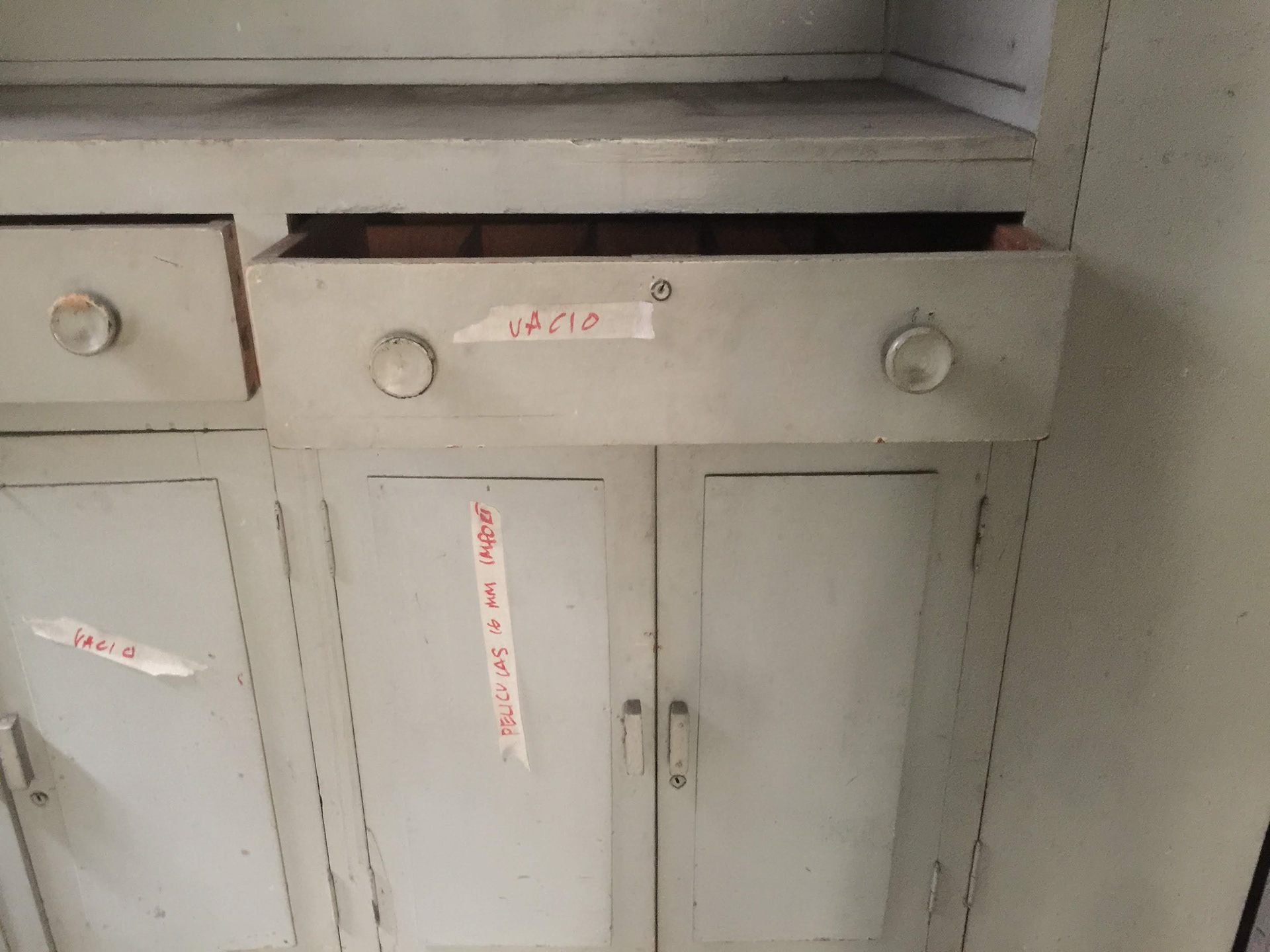
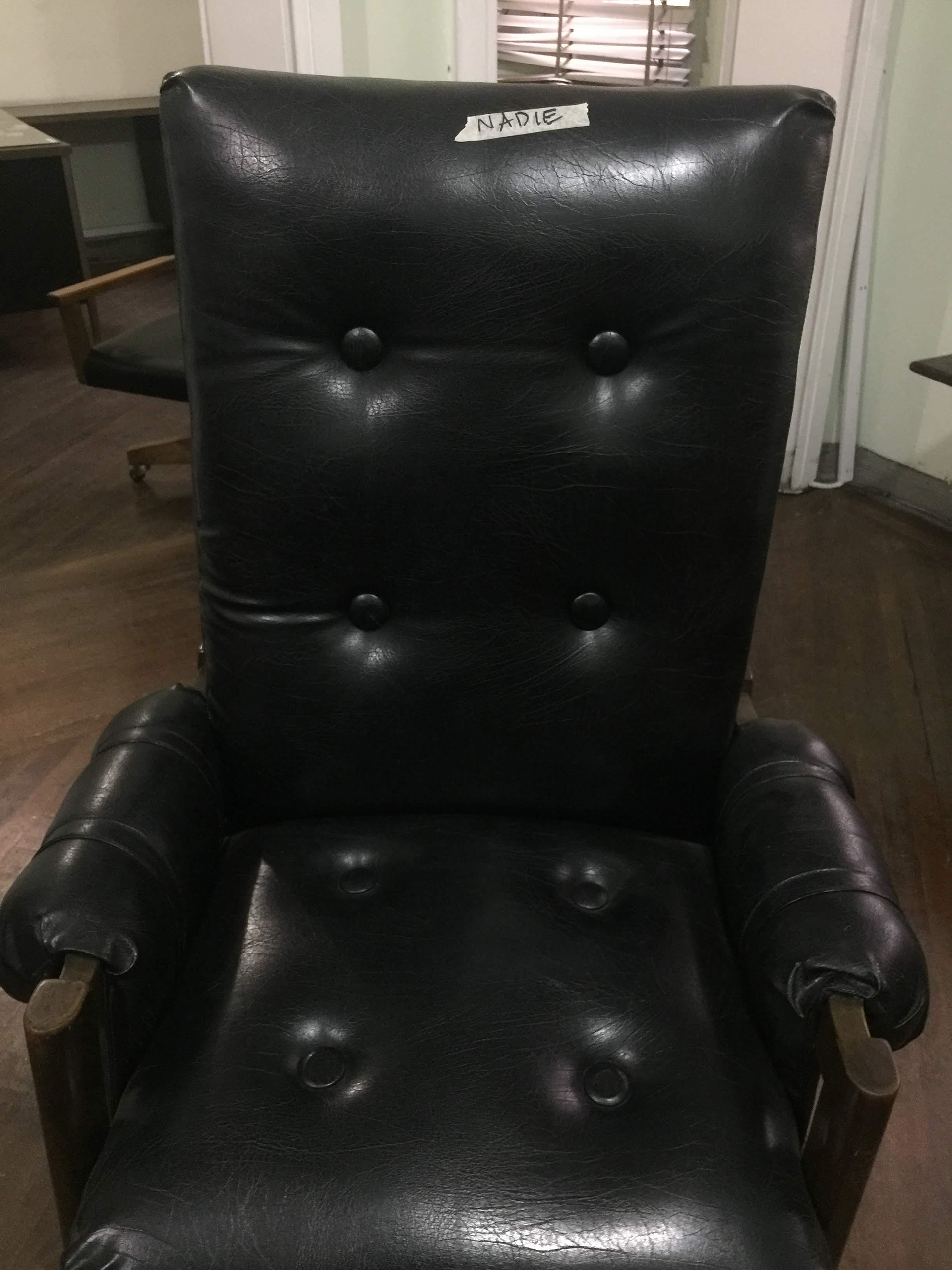
Al decidir vender la casa, mis tíos y mi madre empezaron a vaciarla. Marcaron los cajones, los muebles y las alacenas con cintas que decían “VACÍO” una vez ya no había nada dentro, y los objetos que nadie quería, los marcaron con cintas que decían “NADIE”.
A mí me dolía leer esas palabras. Parecían poemas mudos pero visibles, que encontraban la manera de gritarme que mi familia estaba desapareciendo.
Cuando murió, la casa permaneció llena. Casi sentí que no había muerto y con frecuencia iba allí. Caminaba por sus pasillos largos y a veces gritaba para escuchar mi eco. Cantaba frente a un armario hondo que me devolvía el sonido de mi voz amplificado y me sentía frente a otra Laura, otra familia, otra habitación.
Al decidir vender la casa, mis tíos y mi madre empezaron a vaciarla. Marcaron los cajones, los muebles y las alacenas con cintas que decían “VACÍO” una vez ya no había nada dentro, y los objetos que nadie quería, los marcaron con cintas que decían “NADIE”.
A mí me dolía leer esas palabras. Parecían poemas mudos pero visibles, que encontraban la manera de gritarme que mi familia estaba desapareciendo.
My grandfather lived in a large house, gray and green, built around 1940 in Medellín, Colombia.
When he died, the house remained full. I almost felt as if he hadn’t died, and I often went there. I walked through its long hallways and sometimes shouted just to hear my echo. I sang in front of a deep wardrobe that returned the sound of my amplified voice, and I felt as though I were facing another Laura, another family, another room.
As my uncles and mother decided to sell the house, they began to empty it. They marked the drawers, the furniture, and the cupboards with tape that read “EMPTY” once there was nothing left inside, and the objects that no one wanted were labeled with tape that said “NOBODY.”
It hurt me to read those words. They seemed like silent yet visible poems that somehow found a way to shout at me that my family was disappearing.
As my uncles and mother decided to sell the house, they began to empty it. They marked the drawers, the furniture, and the cupboards with tape that read “EMPTY” once there was nothing left inside, and the objects that no one wanted were labeled with tape that said “NOBODY.”
It hurt me to read those words. They seemed like silent yet visible poems that somehow found a way to shout at me that my family was disappearing.
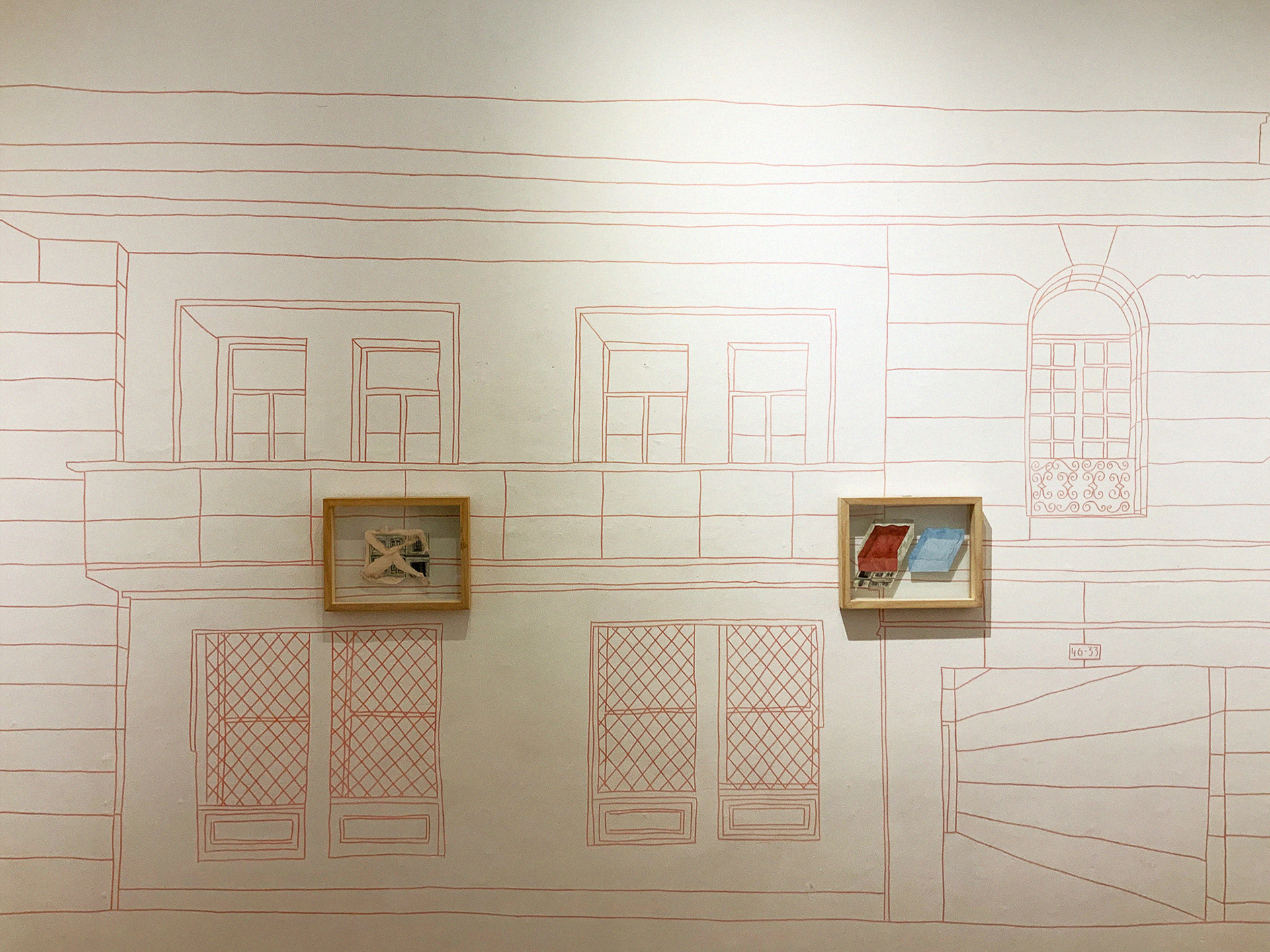
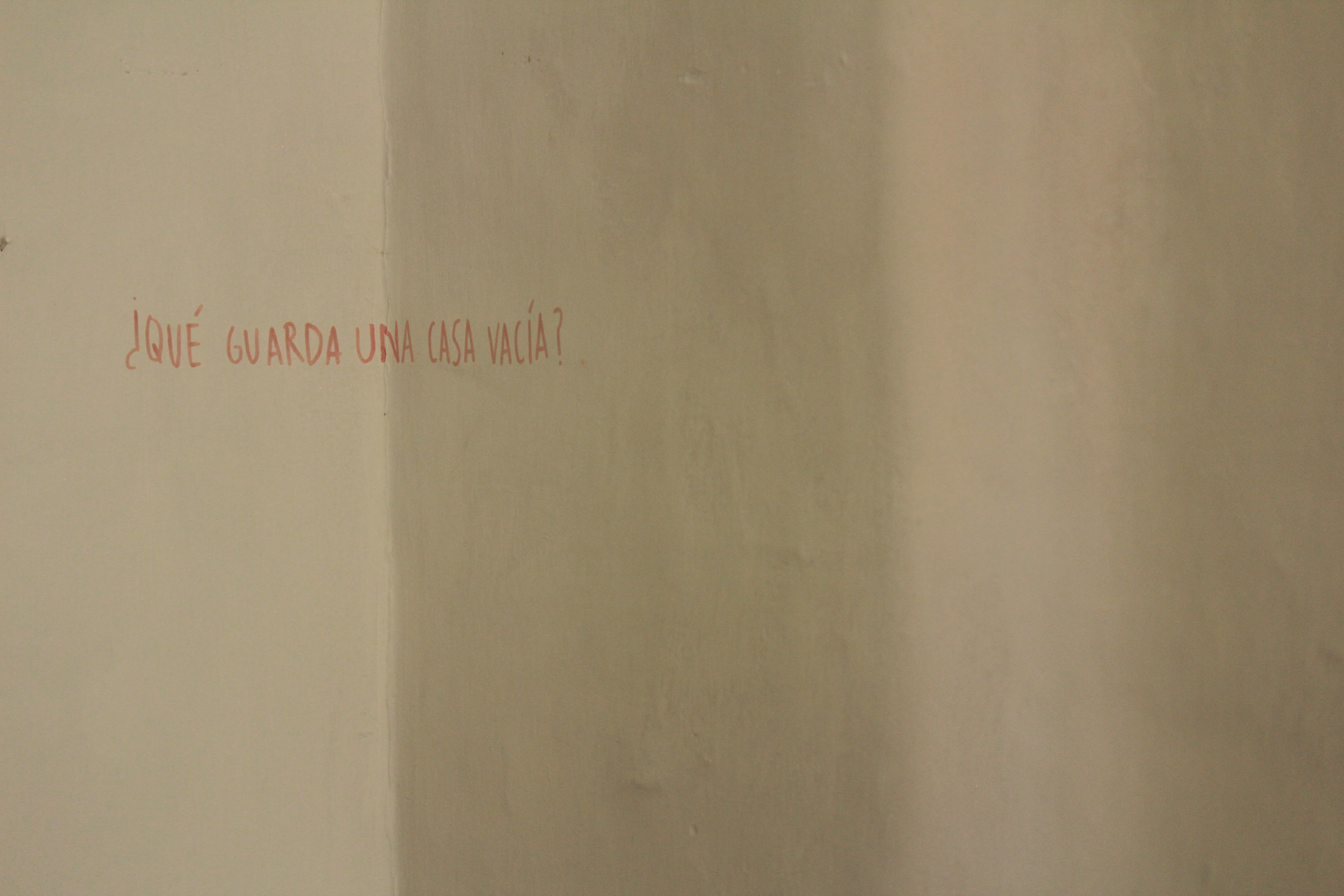
What does an empty house hold?
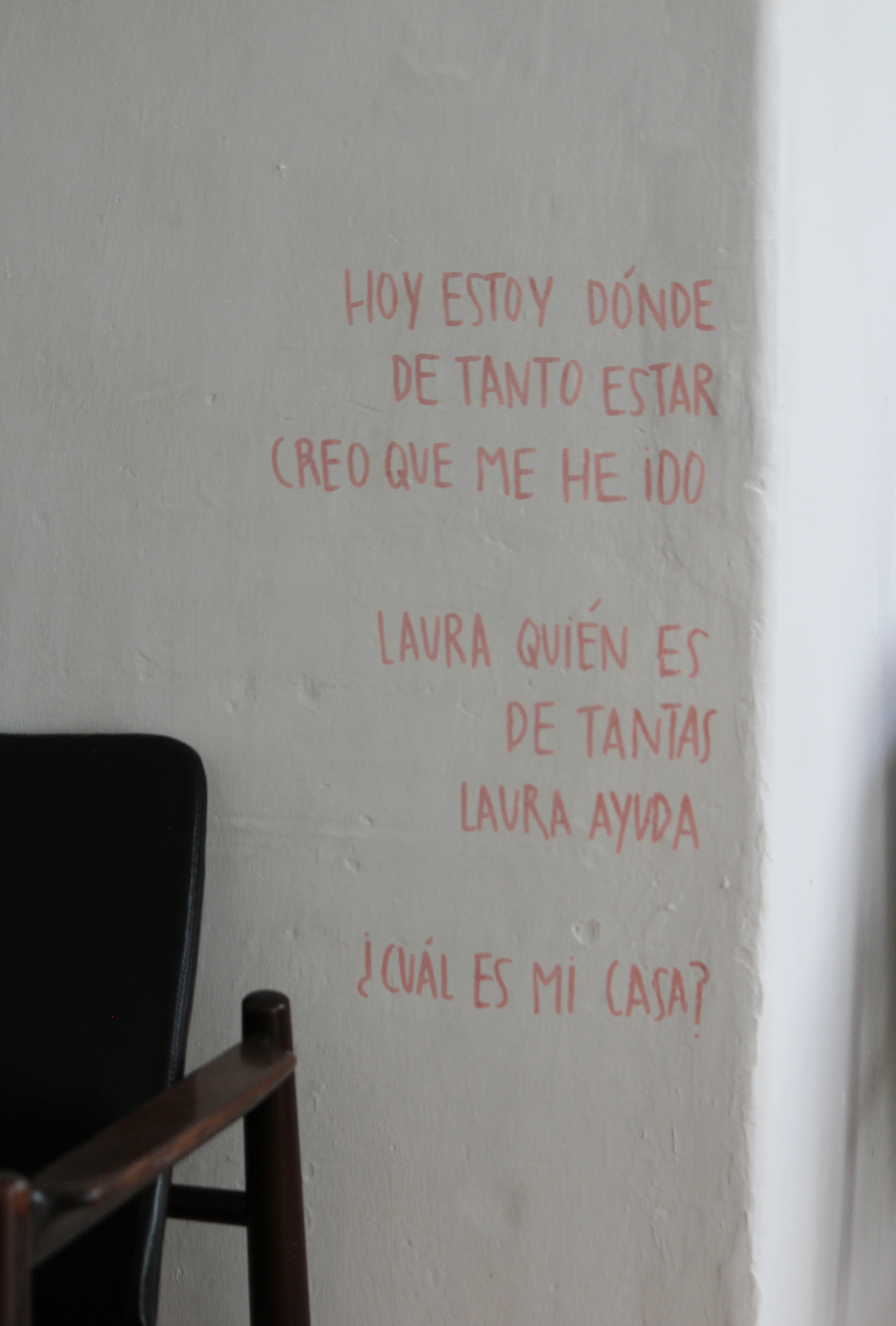
Today I am where
from being so much
I think I've left
Laura who is
from so many
Laura help me
which is my house?
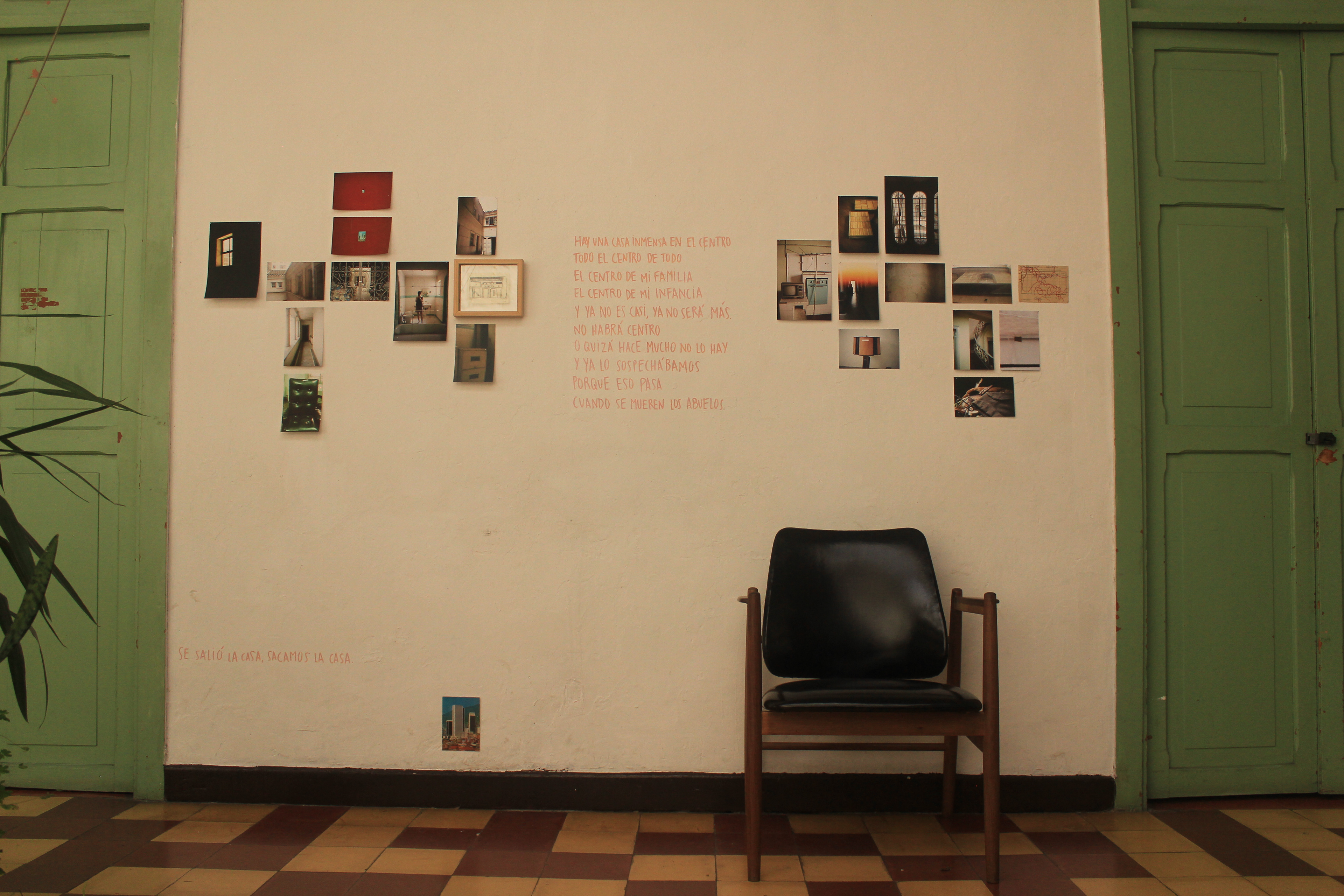
There is an immense house in the center
the whole center of everything
The center of my family
The center of my childhood
and it is no longer almost, it will no longer be.
There will be no center
Or maybe there hasn’t been one for a long time
and we already suspected it
because that’s what happens
when grandparents die.
The house came out, we took out the house.
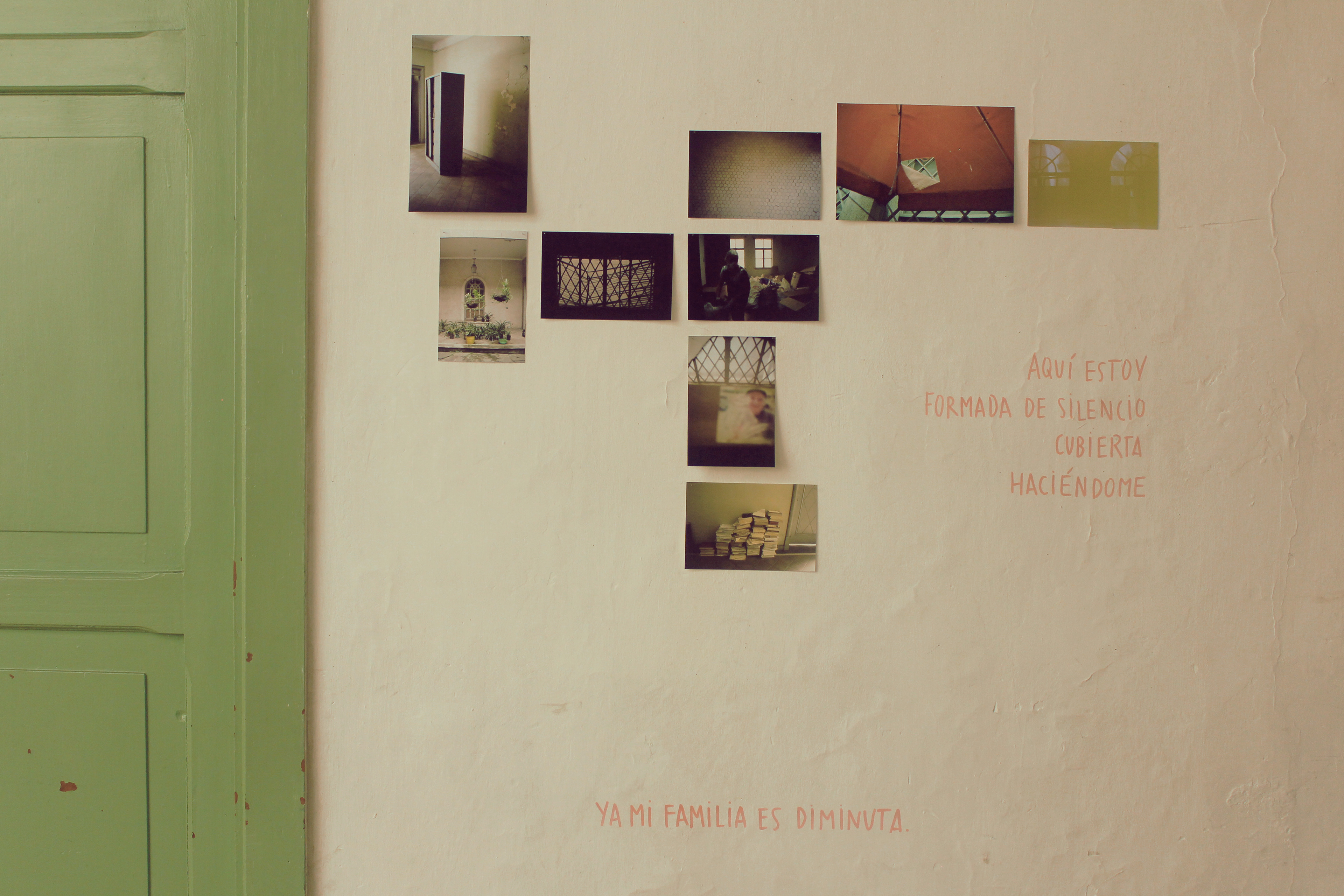
Here I am
formed of silence,
covered,
making me.
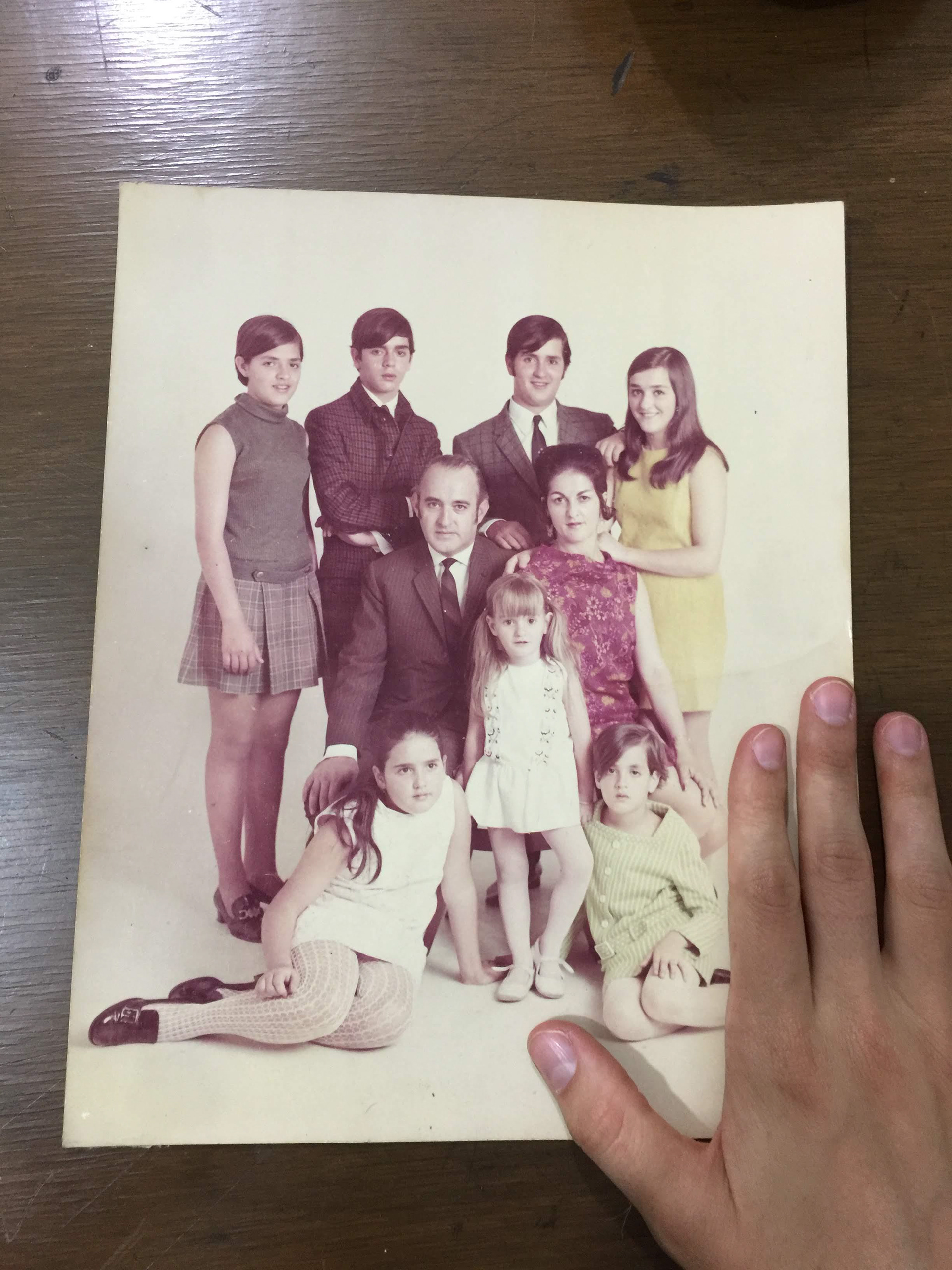
My family is already reduced.
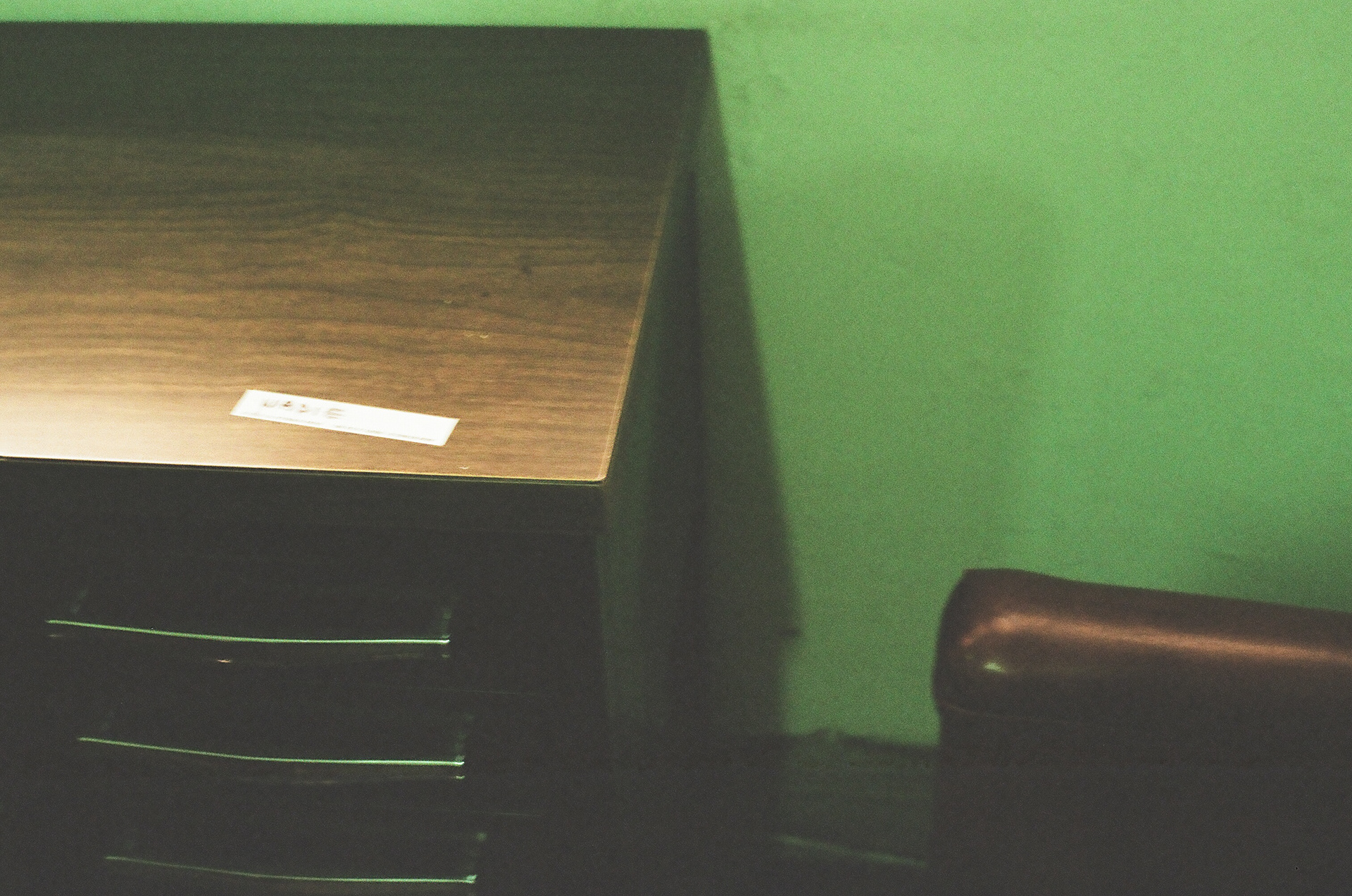
NOBODY
Exposición individual, NADIE, VACÍO. Un nuevo error, Medellín, Colombia. 2021
Solo exhibition, NOBODY, EMPTY. Un nuevo error, Medellín, Colombia. 2021
PROCESO / PROCESS
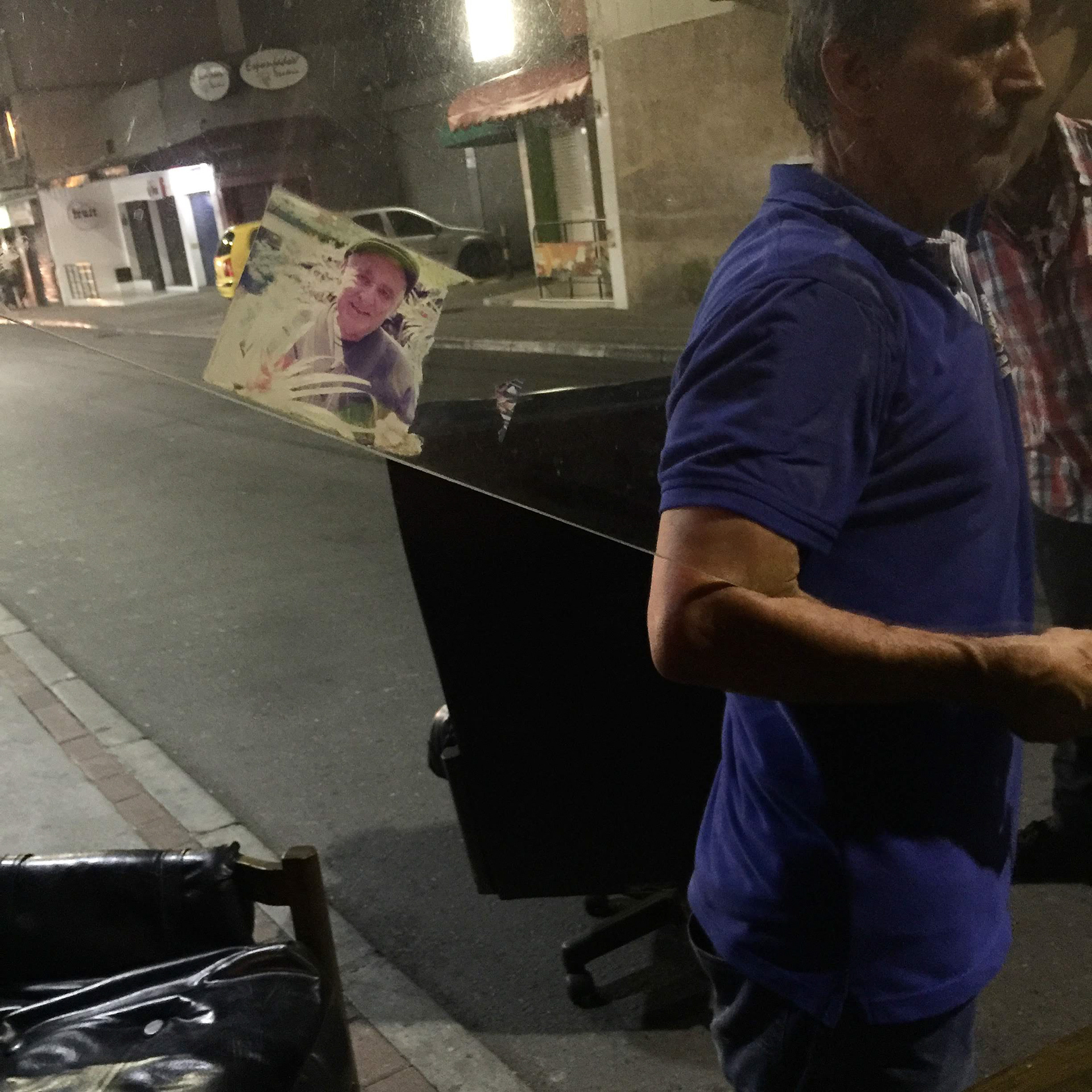
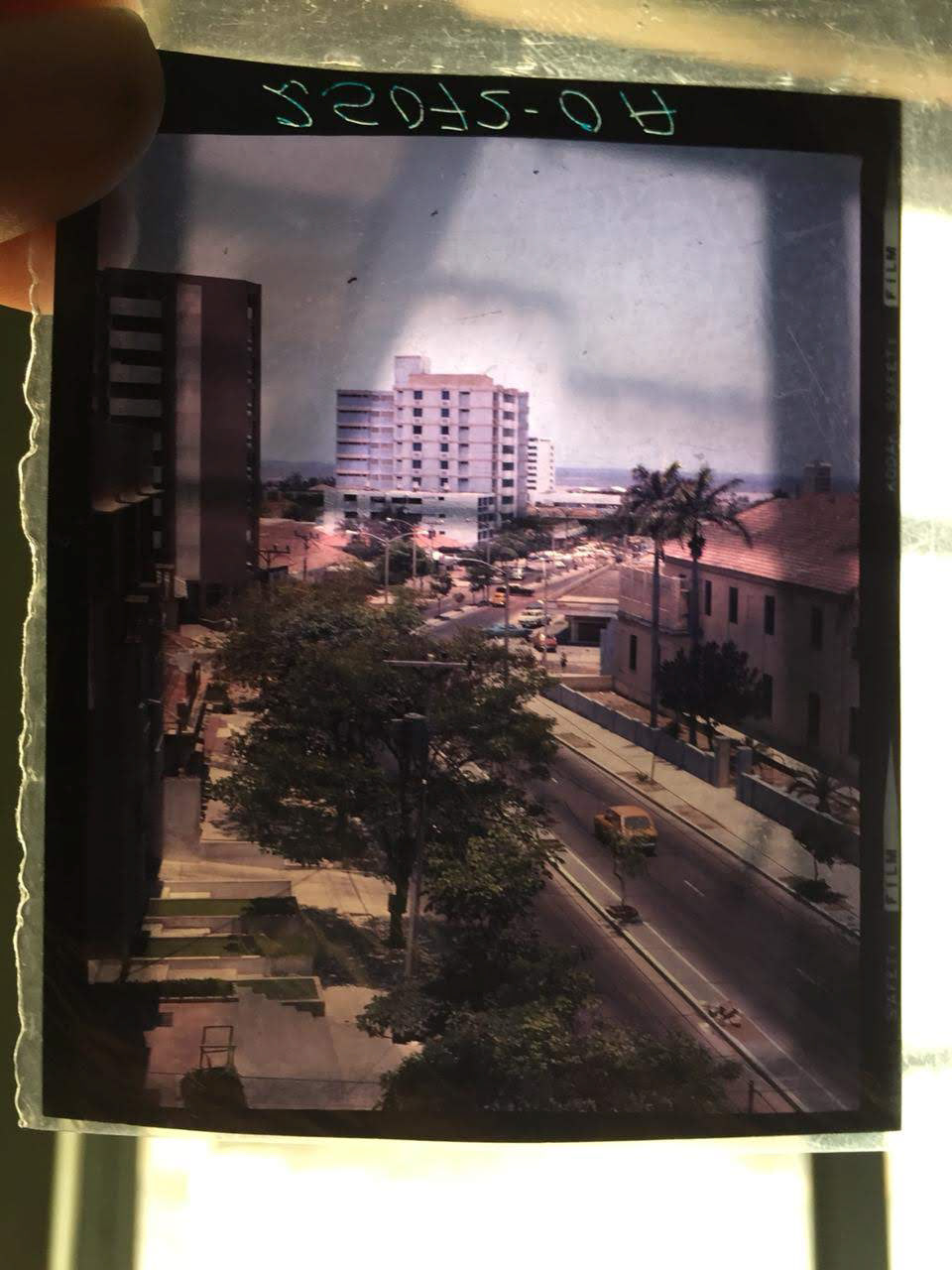
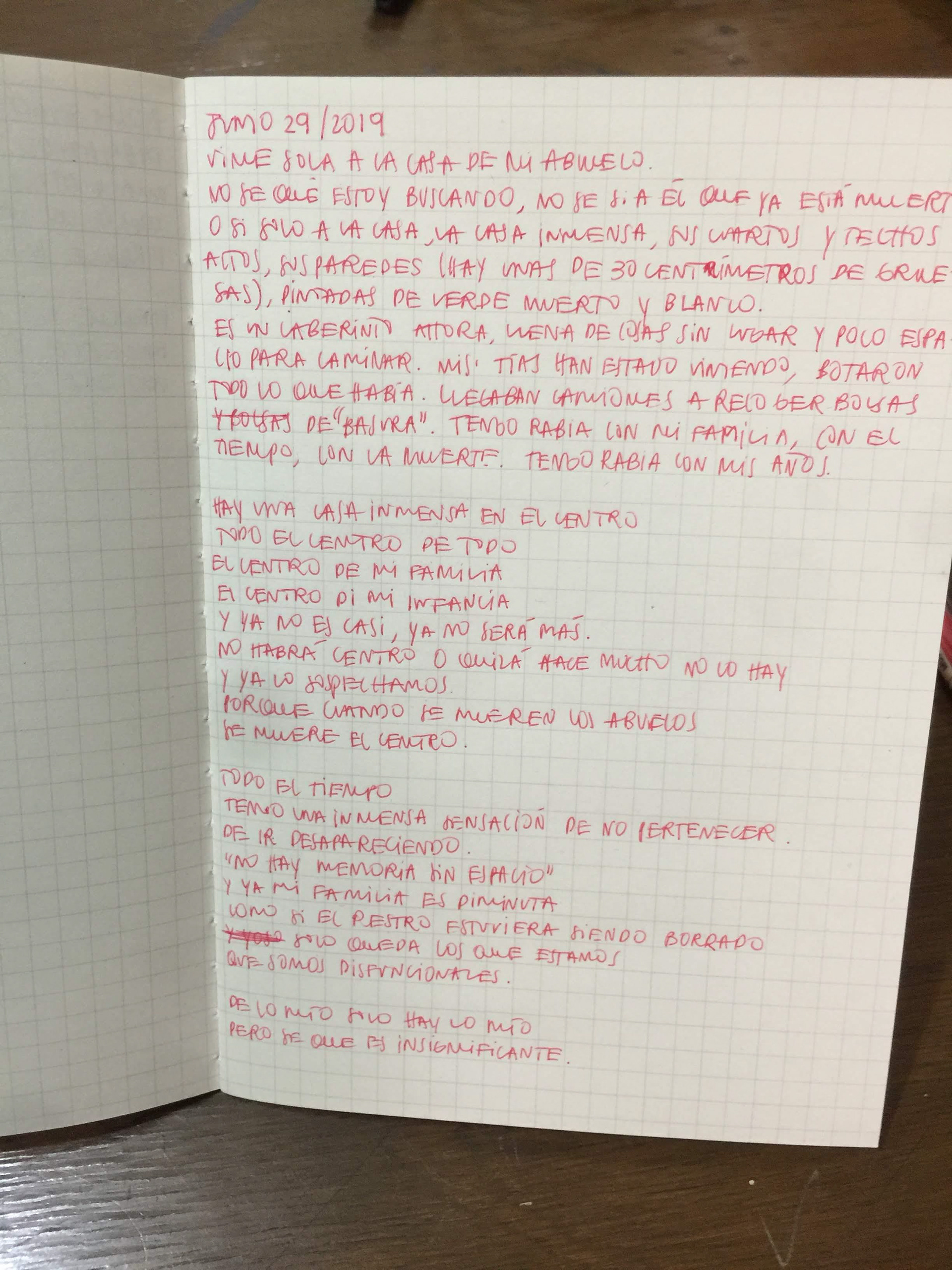
Vine sola a la casa de mi abuelo.
No sé qué estoy buscando, no sé si a él que ya está muerto
o si solo a la casa, la casa inmensa, sus cuartos y techos
altos, sus paredes (hay unas con 30 centímetros de ancho), pintadas de verde muerto y blanco.
No sé qué estoy buscando, no sé si a él que ya está muerto
o si solo a la casa, la casa inmensa, sus cuartos y techos
altos, sus paredes (hay unas con 30 centímetros de ancho), pintadas de verde muerto y blanco.
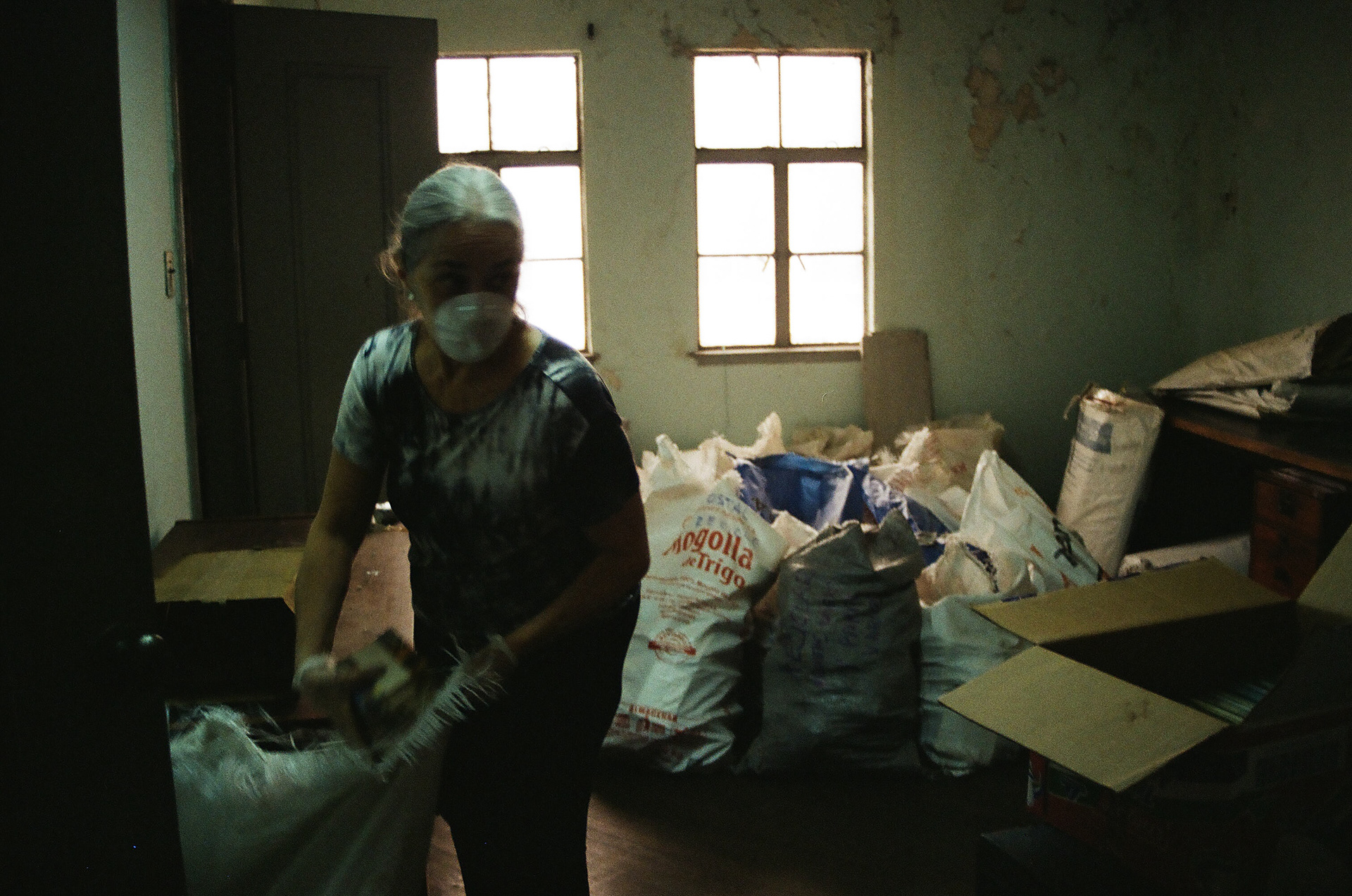
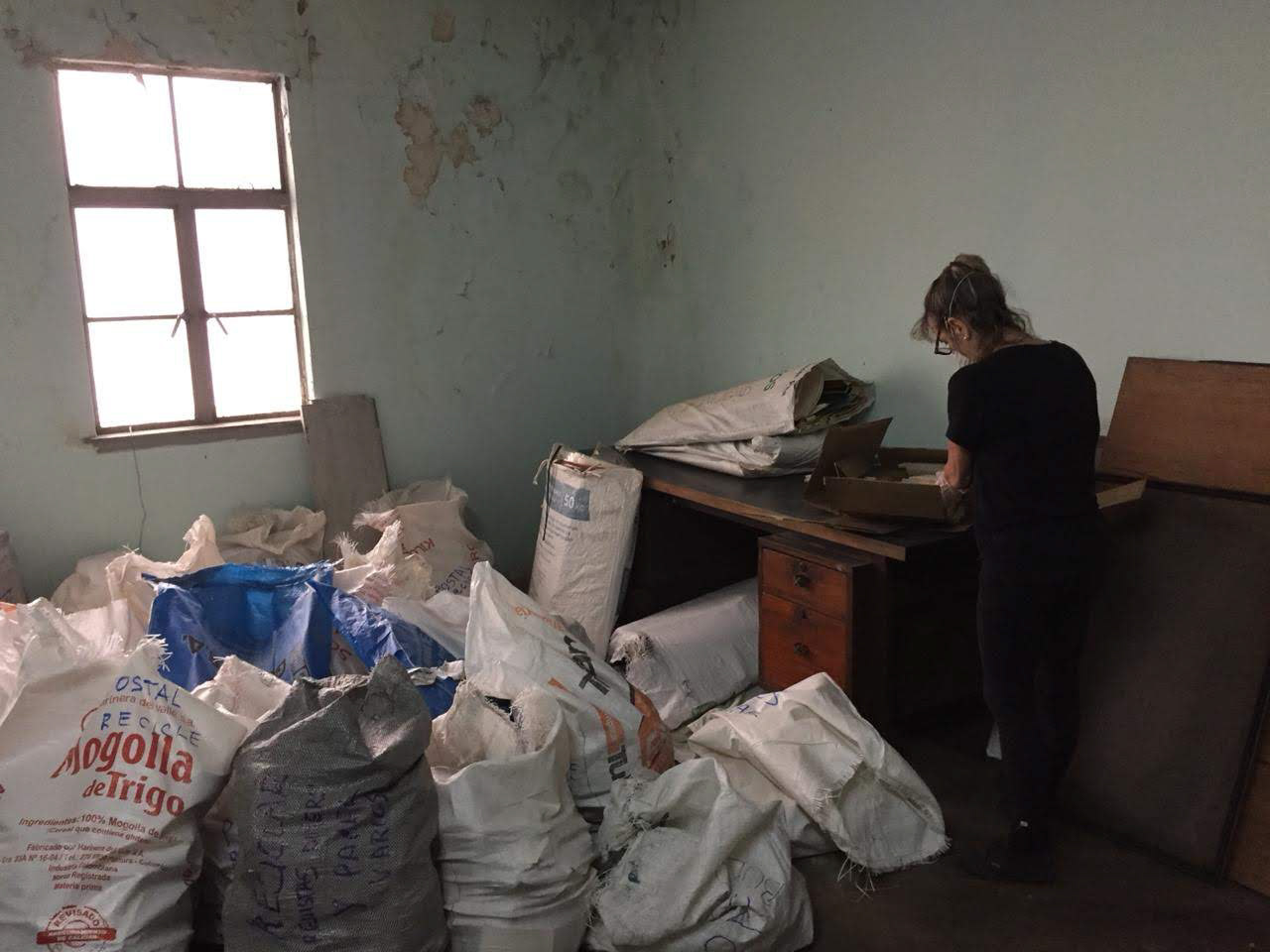
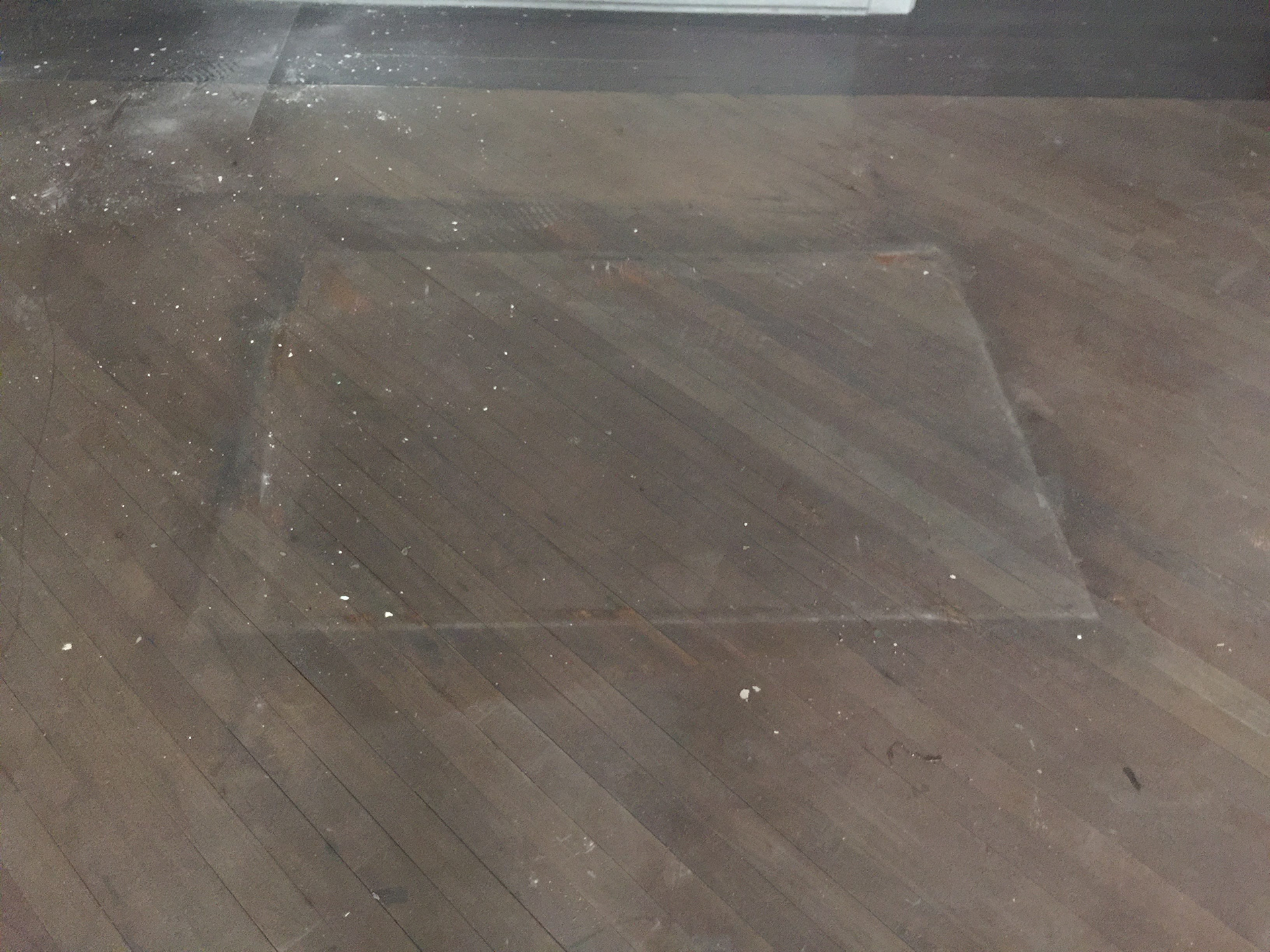
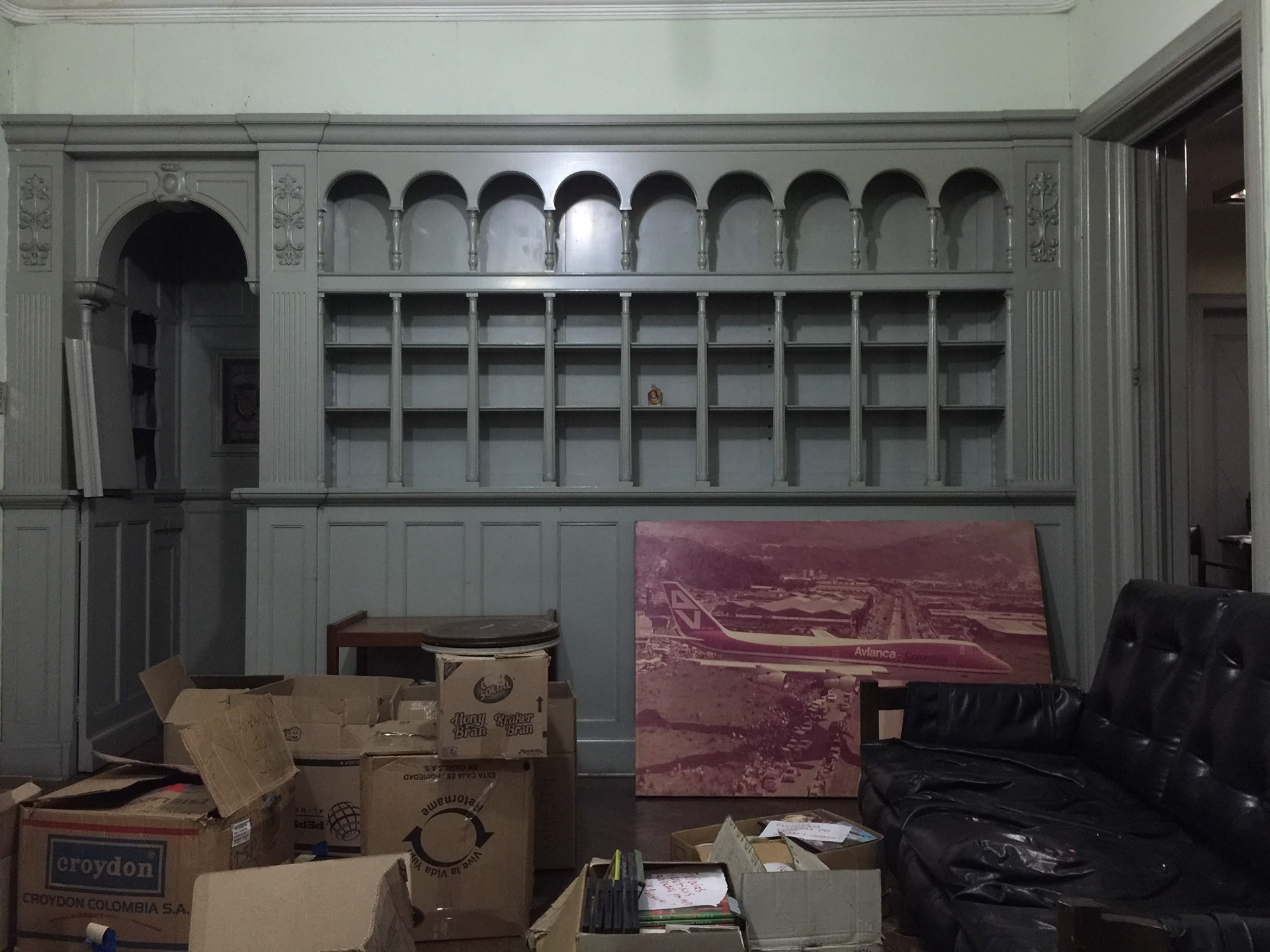
Es un laberinto ahora, llena de cosas sin lugar y poco espacio para caminar. Mis tías han estado viniendo, botaron todo lo que había. Llegaban camiones a recoger bolsas y bolsas de “basura”. Tengo rabia con mi familia, con el tiempo, con la muerte. Tengo rabia con mis años.
Hay una casa inmensa en el centro
todo el centro de todo
el centro de mi familia
el centro de mi infancia
el centro de mi
y ya no es casi, ya no será más.
No habrá centro o quizá hace mucho no lo hay
y ya lo sospechábamos
porque cuando se mueren los abuelos
se muere el centro.
todo el centro de todo
el centro de mi familia
el centro de mi infancia
el centro de mi
y ya no es casi, ya no será más.
No habrá centro o quizá hace mucho no lo hay
y ya lo sospechábamos
porque cuando se mueren los abuelos
se muere el centro.
Todo el tiempo
tengo una inmensa sensación de no pertenecer,
de ir desapareciendo.
tengo una inmensa sensación de no pertenecer,
de ir desapareciendo.
“No hay memoria sin espacio”
y ya mi familia es diminuta
como si el resto estuviera siendo borrado
solo quedan los que estamos
que somos disfuncionales.
De lo mío solo hay lo mío
pero sé qué es insignificante.
I came alone to my grandfather’s house.
I don’t know what I’m looking for—I don’t know if it’s him, who is already dead,
or just the house: the immense house, its rooms and high ceilings,
its walls (some are thirty centimeters thick), painted in dead green and white.
I don’t know what I’m looking for—I don’t know if it’s him, who is already dead,
or just the house: the immense house, its rooms and high ceilings,
its walls (some are thirty centimeters thick), painted in dead green and white.
It’s a labyrinth now, full of things with no place and little space to walk.
My aunts have been coming; they threw everything away.
Trucks arrived to collect bags and bags of “trash.”
I’m angry with my family, with time, with death. I’m angry with my years.
My aunts have been coming; they threw everything away.
Trucks arrived to collect bags and bags of “trash.”
I’m angry with my family, with time, with death. I’m angry with my years.
There is an immense house at the center,
the center of everything,
the center of my family,
the center of my childhood,
the center of me,
and now it is barely, it will be no more.
There will be no center—or maybe there hasn’t been one for a long time—
and we already suspected it,
because when grandparents die,
the center dies.
the center of everything,
the center of my family,
the center of my childhood,
the center of me,
and now it is barely, it will be no more.
There will be no center—or maybe there hasn’t been one for a long time—
and we already suspected it,
because when grandparents die,
the center dies.
All the time
I have an immense feeling of not belonging,
of disappearing.
I have an immense feeling of not belonging,
of disappearing.
“There is no memory without space,”
and now my family is tiny,
as if the rest were being erased.
Only those of us who remain are left,
and we are dysfunctional.
and now my family is tiny,
as if the rest were being erased.
Only those of us who remain are left,
and we are dysfunctional.
Of what is mine, only what is mine remains,
but I know how insignificant it is.
but I know how insignificant it is.